
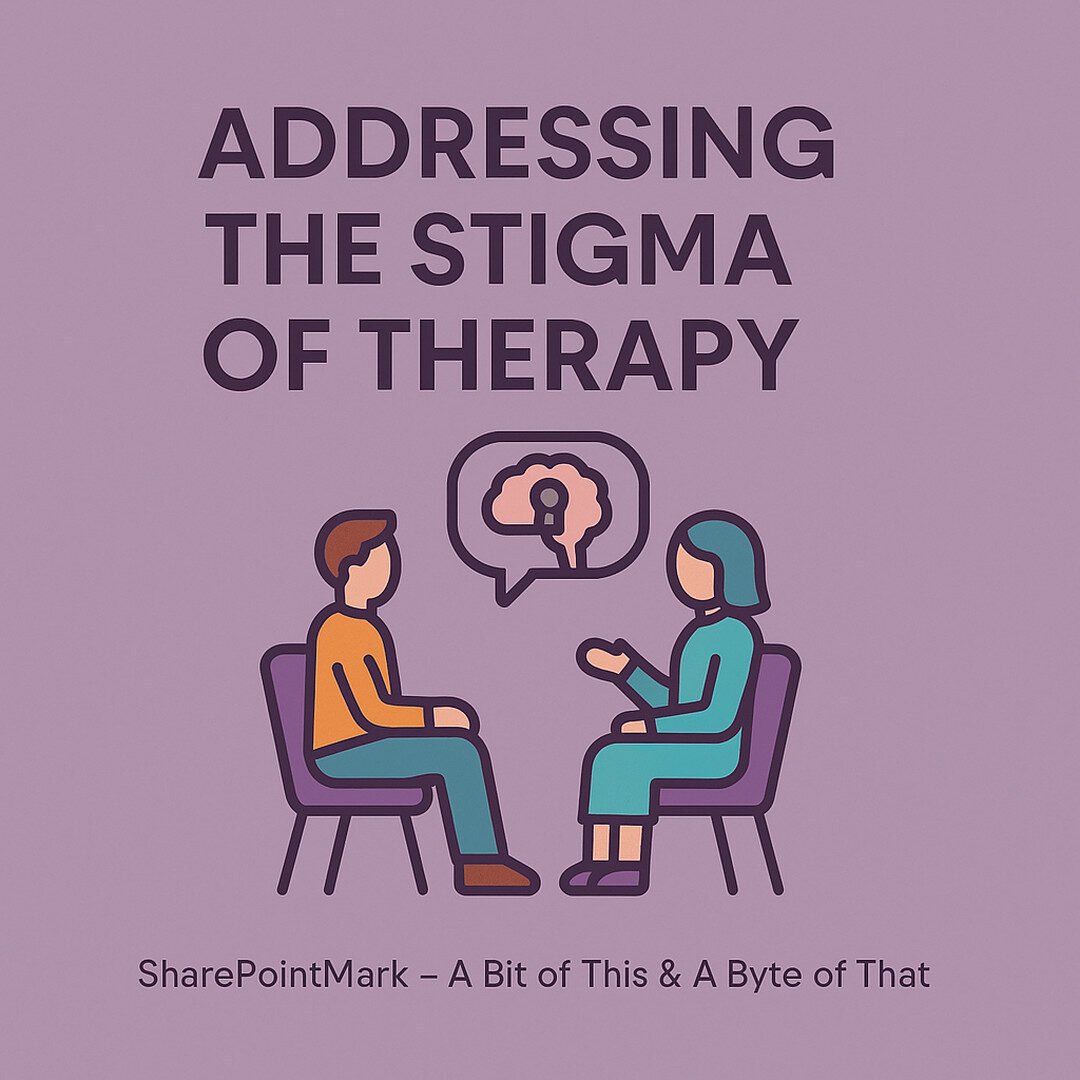
Day 27 - Addressing the Stigma of Therapy
Therapy is one of the most practical tools we have for caring for mental health, yet it still wears an old cloak of misunderstanding. Some people think therapy is only for a crisis, or that asking for help means you are not strong. Others worry they will be judged by family, friends or colleagues. These beliefs are not only untrue – they can delay care and make struggles heavier than they need to be.
Let’s name therapy for what it is: a protected space to think, feel and learn with someone trained to help. It is no more a sign of failure than booking a dental check-up or taking your car for a service. You do not wait for the engine to fail before you top up the oil; you keep things running by caring for them early and often. Therapy works in the same way. It gives you tools, language and steady support so you can meet life’s demands with more clarity and less fear.
Why stigma still hangs around
For generations many of us were taught to press on, keep feelings private and “get on with it”. That message can sound noble, but it leaves little room for the normal range of human emotion – stress, grief, anger, anxiety, numbness. When we hide those feelings, stigma grows. Popular culture has not helped. Films and TV sometimes present therapy as dramatic, extreme or a last-stop solution. It is no surprise people wonder, “Is therapy only for when things are really bad?”
There are also persistent myths:
- “Therapy is only for serious problems.” In reality, people use therapy for everyday challenges – work stress, relationship patterns, decision fatigue, loss of motivation, low mood.
- “If I need therapy I must be weak.” Seeking support is an act of self-awareness. It takes courage to be honest with yourself and practical strength to try something that could help.
- “Therapists just listen and nod.” Modern therapy is active and collaborative. You set goals together, learn skills, review progress and adjust the plan.
- “It will be awkward forever.” The first session may feel new, but most people settle in quickly once they experience calm, non-judgemental listening.
- “It is unreachable.” Costs and access do matter, but there are options – community clinics, charitable services, workplace programmes, GP referrals, student support, sliding-scale fees and secure online sessions.
Stigma shrinks when facts grow. The more we describe therapy accurately, the less space there is for fear to fill the gaps.
What therapy actually offers
Therapy is not about labelling you; it is about learning. A therapist helps you:
- Notice patterns in thoughts and behaviour that keep stress going.
- Build practical strategies for sleep, anxiety, low mood and overload.
- Strengthen boundaries and communication in relationships.
- Process loss, change, anger or shame in a safe, steady way.
- Reconnect with values so choices feel clearer.
Think of it as installing better “mental health scaffolding”. When life shakes the structure – deadlines, conflict, illness, money worries – you have something solid to lean on. Many people describe three simple benefits after a few sessions:
- A clearer head,
- Kinder self-talk and
- A plan they can act on today.
You do not need a specific diagnosis to begin. You do not need a perfect story to tell. You can arrive with a single sentence: “I feel stuck and I don’t want to feel this way.” That is enough.
If you are curious but uncertain
Curiosity is a good sign. Here are gentle ways to explore without pressure:
- Learn about approaches. Brief CBT, acceptance and commitment therapy, solution-focused work, psychodynamic therapy, EMDR – different tools suit different people. A short read on each can reduce the unknowns.
- Sample a first session. Many therapists offer a short introduction call. Use it to ask how they work, what a typical session looks like and how you will measure progress.
- Set a small trial. Commit to three to six sessions with clear goals. Review what has helped and what you want to change.
- Bring practical limits. Be clear about budget, timing and access needs. Good practitioners welcome boundaries; they help the work.
- Remember fit is normal. If the match is not right, you are allowed to try someone else. That is not failure – it is care.
How we can all help dismantle stigma
Stigma thrives in silence. It fades when ordinary people speak in ordinary ways about support:
- Use respectful language. Swap jokes and labels for clear words: therapist, counsellor, session, mental health support.
- Normalise check-ins. Encourage teams and families to treat mental health like physical health – routine, preventative and non-judgemental.
- Share balanced messages. You do not need to tell your whole story to be helpful. A simple “I’ve found talking to someone useful” can open a door for others.
- Signpost options. Keep a short list of trusted routes – GP, community organisations, helplines, reputable directories, employee assistance, student services.
- Lead by example. Managers, parents, coaches and community leaders shape culture. When leaders speak calmly about mental health, permission spreads.
When therapy is not accessible today
Support still exists. Try these low-bar steps while you work on access:
- Speak to your GP about options and wait‑list pathways.
- Use credible self-help resources from national charities and health services.
- Join a moderated peer group or helpline for listening support.
- Build a daily “calm stack” – breathwork, short walks, sleep basics, gentle boundaries around news and notifications.
Small steps do not replace therapy, but they can reduce distress and keep hope alive.
Encouragement
Therapy should not be something we whisper about. It is a steady, human way to understand ourselves and to grow new skills for tough seasons. Choosing therapy is not a confession of weakness – it is a commitment to wellbeing, to relationships and to a kinder future self. The more we talk about it with care, the easier it becomes for the next person to ask for help without fear.
If you have carried doubts because of what others might say, consider giving yourself permission to explore. Book an introduction call. Read about approaches. Ask a trusted friend to cheer you on. You deserve support that meets you where you are and helps you move towards where you want to be.
Reflection
Write about a misconception you once believed about therapy. How did it affect your decision to seek help?
Call to Action
Share in the comments a myth about therapy you’ve heard and the real perspective you want to promote.
This is a conversation for us all – people struggling and those who want to help and support.
🧭 Follow the full journey: You can catch each day’s post right here and can follow along on LinkedIn, Instagram, or Bluesky. Thank you for joining me on this journey.
🔗 SharePointMark – A Bit of This & A Byte of That
#TherapyIsForEveryone #MentalHealth #Wellbeing #SupportSquad #LetsTalkMentalHealth #MentalHealthAwareness