
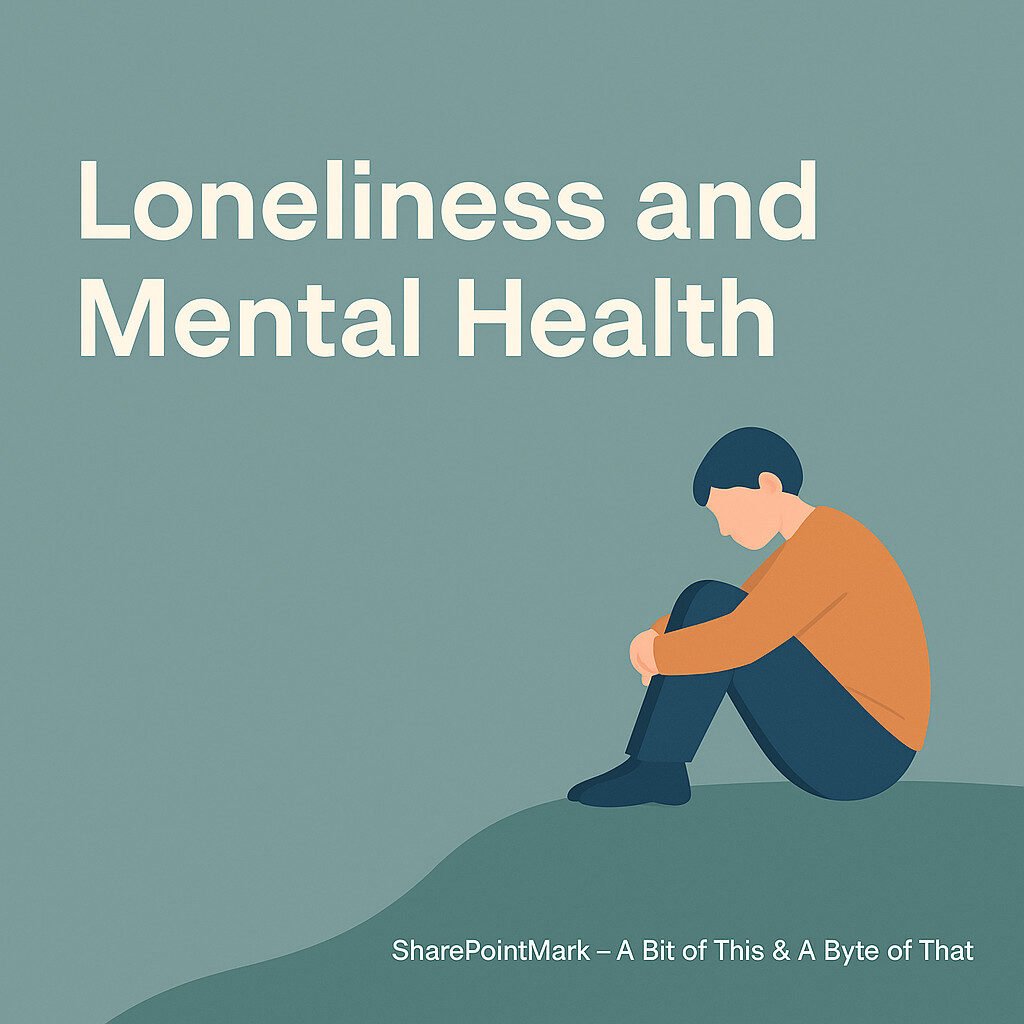
Day 48 - Loneliness and Mental Health
We live in a time of instant messages and constant notifications, yet many people feel painfully alone. Loneliness is not simply being by yourself. It is the felt gap between the connection you want and the connection you have. You can be lonely in a crowd, in a team meeting, or in a family home full of noise. That gap hurts. It affects how we think, how we sleep, and how hopeful we feel about tomorrow.
Loneliness is common and human. It is a signal – like hunger or thirst – that tells us we need connection. When we ignore that signal, or feel ashamed of it, the feeling can grow from a passing ache into something heavier that touches our mood, our confidence, and our health.
How isolation affects the mind and body
Prolonged loneliness is linked with low mood, anxiety, irritability and problems concentrating. It can distort thinking with lines like: no one wants me, it will always be like this, I am the problem. That inner narrator can make it harder to reach out, which deepens the isolation. Sleep often suffers. When we are tired, it is harder to manage emotions or make good choices, and the spiral continues.
The impact does not stop at the mind. Over time, chronic loneliness is associated with higher stress hormones, poorer immune function and increased risk of heart disease. That does not mean people are doomed by loneliness – it means the signal is serious and worthy of a serious response.
When and why loneliness shows up
Loneliness can arrive in many seasons of life:
- Teenagers and students – changing schools, exam pressure, moving away from home.
- Young adults – new cities, new jobs, unstable housing or shift work that erodes routines.
- New parents and carers – busy but isolated, with fewer adult conversations and little rest.
- Remote or hybrid workers – fewer casual chats, more screen time, blurred work – life boundaries.
- People living with illness or disability – reduced energy or mobility can limit spontaneous plans.
- Older adults – bereavement, retirement, shrinking social circles and limited transport.
It is not weakness to feel lonely in these moments. It is a normal response to change and loss.
The barrier of stigma and self – blame
Many people hide loneliness because they fear it says something shameful about them. They worry it means they are unlikeable or failing at adulthood. In reality, loneliness says far more about circumstances than character. It says the environment is not offering enough connection for a human being who needs it. When we replace self – blame with compassion, it becomes easier to take action.
Meaningful connections vs more contacts
More acquaintances do not always mean less loneliness. The heart of connection is quality: being seen, heard and valued as the person you are. That quality grows through curiosity, consistency and trust. A small number of steady relationships usually protects wellbeing more than a large number of shallow interactions.
Think depth over surface. Ask better questions. Share something real about your day. Offer help and allow yourself to receive it. Reciprocity – the give and take of care – is what turns contact into connection.
Practical ways to break the isolation cycle
Loneliness often creates a loop: feeling left out leads to withdrawing, which leads to feeling more left out. Small, repeatable actions can interrupt that loop.
Start small and nearby
- Send one honest message: I have been a bit isolated – fancy a coffee.
- Say hello to the neighbour you keep missing.
- Rejoin an old interest or try a taster session for a new one.
- Choose one regular spot – the same gym class, café or library time each week – so you see familiar faces.
Use structure to make connection easier
- Put two social anchors in the diary every week, even if brief.
- Tie connection to something you already do: a phone call on your daily walk, a weekly video chat while cooking.
- Join groups built around doing – walking clubs, repair cafés, community gardens, choir, five – a – side, board games. Doing together removes the pressure to perform.
Practise everyday micro – connections
Short interactions with strangers and acquaintances – the barista, the bus driver, the person who also walks a dog at 7 a.m. – are small but powerful. These “weak ties” boost mood, remind us we belong in the social world, and make it easier to take bigger steps.
Improve the quality of existing relationships
- Swap quick “you ok” messages for deeper prompts: What lifted you today. What weighed you down this week.
- Listen fully: phone away, eyes up, no multitasking.
- Share something specific and true about your own life. Vulnerability invites connection.
- Repair small hurts quickly. A simple apology can restore closeness.
Technology – bridge, not replacement
Endless scrolling can feed comparison and keep us in our heads. But technology can also be a lifeline – particularly for people who are housebound, time – poor or far from loved ones. The key is intention.
- Use video or voice notes more than text so tone and warmth carry through.
- Set a time limit for passive scrolling and a goal for active connecting: I will send two messages today.
- Join moderated online communities around shared interests or support.
- Whenever possible, let online contact lead to offline contact – a walk, a coffee, a class.
A 7 – day connection plan
Small steps done steadily work better than one big push. Try this gentle, doable plan and adjust it to suit your energy:
- Day 1 – Name it: Write one paragraph about how loneliness has been showing up. Naming the pattern reduces shame.
- Day 2 – One message: Text or email someone you trust with a specific invitation.
- Day 3 – Micro – connection: Start two short conversations during your day – a compliment, a question, a thank you.
- Day 4 – Join in: Book one group activity that fits your interests and budget.
- Day 5 – Tidy the feed: Unfollow accounts that make you feel small. Follow three that inspire action or kindness.
- Day 6 – Help out: Offer practical help to a neighbour or volunteer for one hour. Giving strengthens belonging.
- Day 7 – Reflect and repeat: What helped most. What could you do again next week. Put two anchors in the diary.
When loneliness intersects with mental health conditions
If you are living with depression, anxiety, grief or trauma, the steps above can feel heavier. Go gently. Shrink the goal. Make the first action as small and kind as possible: open the window for five minutes of daylight, reply with one sentence to a friendly message, sit in a public space with a book. If you have access to therapy or a peer group, let those supports carry some of the weight while you rebuild connection at your pace.
If loneliness comes with thoughts of hopelessness or suicide, seek urgent help from a GP, crisis line, or trusted person. You deserve support. You do not have to carry this alone.
Community and workplace responsibility
Belonging is built not just by individuals, but by communities that notice and include. Local councils, faith groups and charities can create warm spaces – coffee mornings, hobby clubs, repair cafés, buddy schemes. Workplaces can help by encouraging purposeful check – ins, creating social spaces that are not alcohol – centred, and making it normal to take a break with a colleague. Small design choices change how connected people feel at work and at home.
A call to connection
Loneliness is common, understandable and changeable. It does not mean you are broken. It means you are human and your connection needs are unmet. By replacing shame with curiosity, and by taking small, steady steps, it is possible to build relationships that feel safe, mutual and real.
None of us can fix loneliness for everyone. But each of us can reach, notice and invite. A text. A smile. A seat at our table. Connection grows from ordinary acts repeated over time – and those acts can change a life.
📢 Call – to – Action: Share this post with someone who might feel isolated and invite them to plan one small connection together this week.
This is a conversation for us all – people struggling and those who want to help and support.
🧭 Follow the full journey: You can catch each day’s post right here and can follow along on LinkedIn, Instagram, or Bluesky. Thank you for joining me on this journey.
🔗 SharePointMark – A Bit of This & A Byte of That
#Loneliness #Connection #Wellbeing #ItsOKtoNotbeOK #ItsOktoTalk #OpenConversations #MentalHealth #LetsTalkMentalHealth #MentalHealthAwareness