

Anxiety. A word often misunderstood, dismissed, or minimised. For some, it might conjure images of fleeting nervousness before a big event or the rush of adrenaline before delivering a presentation. However, for millions of individuals worldwide, anxiety is far more than just occasional worry, it is a relentless, life-disrupting force that casts a shadow over their daily existence.
In the United Kingdom, anxiety disorders are among the most common mental health challenges, affecting approximately 1 in 6 adults weekly. Globally, anxiety disorders are estimated to impact over 284 million people, making them the most prevalent mental health condition. Despite these staggering figures, anxiety often hides in plain sight, driven by stigma, misconceptions, and a continuing experience of silence.
In this post, I seek to confront these challenges head-on. I delve into the raw and emotional realities of anxiety disorders, offering an unfiltered lens into their impact on individuals, relationships, and workplaces. At its heart, this post aims to achieve three critical objectives:
- Demystify anxiety disorders and distinguish them from everyday stress and worry.
- Break down the barriers of stigma and misunderstanding that isolate individuals in their struggles.
- Provide actionable strategies for recognising, managing, and supporting those affected by anxiety.
A Necessary Conversation – Personal Point of View
Anxiety does not discriminate. It affects people of all ages, backgrounds, and professions. It is a student overwhelmed by the pressure to excel academically, a parent juggling work and family responsibilities, an employee silently battling panic attacks during meetings, and a teenager struggling to navigate the social maze of adolescence.

For many, anxiety manifests as an invisible barrier, something they carry within themselves, often unnoticed by others. This barrier is reinforced by the misconceptions in society, such as the belief that anxiety is simply “overthinking” or a lack of resilience. These misconceptions not only minimise the actual live experiences of those affected but also prevent individuals from seeking the help they need.
The reality is stark: untreated anxiety can have devastating consequences. It can lead to chronic health problems, strained relationships, job loss, and in severe cases, suicidal thoughts. Yet, it is a condition that is manageable with the right understanding, support, and resilience.
By the end of this post, my hope is that you, the reader, will walk away with a deeper understanding of anxiety disorders. Whether you are someone living with anxiety, a family member seeking to support a loved one, or a professional aiming to foster a more inclusive workplace, this post is for you.
What to Expect
This post will explore anxiety disorders in depth, breaking them down into accessible, relatable segments:
- We will define anxiety disorders, discuss their prevalence, and highlight how they differ from everyday worry.
- We will recognise the physical, emotional, and behavioural signs of anxiety, illustrated through real-life case studies.
- We will examine the far-reaching impact of anxiety on health, workplaces, and relationships, supported by UK-specific analytics.
- We will tackle the stigma surrounding anxiety disorders, exploring ways to dismantle it through education and empathy.
- Finally, we will provide practical strategies for managing anxiety, offering hope and empowerment to individuals, organisations, and families.
A Word of Caution
This post is not short, not a “quick-tips” post, it contains raw, emotional, and potentially challenging content. It is designed to spark reflection, compassion, and understanding. While some readers may find it thought-provoking or even therapeutic, others may find it evokes strong emotions. Please take your time reading and engage with the content in a way that feels comfortable for you.
Anxiety Disorders Explained
Anxiety is a normal and even beneficial emotion when it helps us respond to danger or motivates us to tackle challenges. When anxiety becomes persistent, overwhelming, and disconnected from actual threats, it can develop into a disorder that severely impacts an individual’s quality of life.
Anxiety disorders are not a singular condition; they represent a broad spectrum of mental health challenges. Each disorder is unique in its triggers, symptoms, and effects, but all share one common thread: they disrupt daily life and well-being in profound ways.
What Are Anxiety Disorders?
Generalised Anxiety Disorder (GAD)
- GAD is characterised by chronic, excessive worry about various aspects of life, such as health, work, or relationships. This worry is often disproportionate to the actual situation and can feel impossible to control. Individuals with GAD may experience symptoms such as restlessness, muscle tension, irritability, and difficulty concentrating.
Social Anxiety Disorder (SAD)
- Social anxiety extends beyond shyness; it is an intense fear of being judged, embarrassed, or rejected in social situations. This can lead to avoidance behaviours, such as skipping events or meetings, and physical symptoms like sweating, trembling, or a racing heart when faced with social interactions.
Panic Disorder
- Panic disorder involves sudden, unexpected panic attacks; episodes of intense fear that often feel life-threatening. Symptoms include chest pain, dizziness, a sense of choking, and a fear of losing control or dying. Panic disorder can lead to avoidance behaviours, as individuals may fear situations where they previously experienced attacks.
Specific Phobias
- A phobia is an extreme, irrational fear of a specific object or situation, such as heights, flying, or spiders. Even when the feared object poses no real threat, the fear can trigger immediate anxiety or panic attacks, making it difficult to function in related situations.
Obsessive-Compulsive Disorder (OCD)
- OCD involves persistent, intrusive thoughts (obsessions) that drive repetitive behaviours (compulsions) aimed at reducing distress. For example, someone with contamination fears may wash their hands excessively, while another might repeatedly check locks due to fears of danger.
Post-Traumatic Stress Disorder (PTSD)
- PTSD develops following exposure to a traumatic event, such as an accident, assault, or natural disaster. Symptoms include flashbacks, nightmares, hypervigilance, and emotional numbness. PTSD affects both emotional and physical well-being, making day-to-day life a challenge.
How Anxiety Differs from Normal Worry
It is important to distinguish between occasional worry and an anxiety disorder. Worry is a natural response to life’s challenges; it is temporary and often proportionate to the situation. Anxiety disorders, on the other hand, are persistent, excessive, and difficult to control. They interfere with work, relationships, and physical health.
Imagine worrying about an upcoming work presentation. For someone without an anxiety disorder, this worry might lead to preparation and dissipate once the task is complete. For someone with GAD, the worry might begin weeks in advance, expand to unrelated concerns (e.g., “What if I forget my notes? What if they do not like me?”), and persist even after the presentation is over.
Analogy: The Ocean of Anxiety
Think of normal worry as swimming in a calm pool, it requires effort, but the environment is manageable. Anxiety disorders, however, are like being caught in a stormy ocean with waves crashing over you. The sheer effort of staying afloat is exhausting, and the horizon of calm feels impossibly far away. For those experiencing anxiety disorders, the struggle to navigate daily life can feel like a fight for survival.
Breaking Down the Complexity
Anxiety disorders are complex and multifaceted. They are not simply “all in the mind” or signs of personal weakness. They are medical conditions influenced by genetics, brain chemistry, personality, and life experiences. Understanding these disorders is the first step in breaking down the invisible barrier of stigma and supporting those who live with anxiety every day.
Why Recognising Anxiety Is Essential
Unrecognised anxiety can spiral into severe mental and physical health issues, such as depression, substance abuse, or chronic illnesses. By recognising the signs early, individuals and those around them can intervene, offering support and strategies that prevent escalation.
Case Study: The Invisible Battle of Everyday Life
Emma, a 32-year-old marketing manager, is admired by her colleagues for her dedication and detail-oriented work. However, beneath her smart, fun exterior, Emma battles Generalised Anxiety Disorder (GAD). Her days are consumed by endless “what ifs,” making even routine decisions feel paralysing. At work, she often stays late, not because she has too much to do, but because she feels she has to recheck every email multiple times for fear of making a mistake. At home, she lies awake for hours replaying conversations, convinced she said something wrong.
Emma’s anxiety is invisible to those around her, but it dictates every aspect of her life. Without intervention, her mental health will continue to deteriorate, potentially leading to burnout or more severe physical health issues.
The Impact of Anxiety Disorders
Anxiety disorders are not isolated to fleeting moments of worry or stress, they can reshape lives, relationships, and even entire workplaces. While anxiety is often dismissed as something manageable or “not serious enough,” the ripple effects can be devastating. It does not just linger in the mind; it attacks the body, relationships, and broader society. From chronic health conditions to fractured personal connections and billions in lost workplace productivity, the reach of anxiety is vast and often underestimated.
The Toll on Mental and Physical Health
Anxiety is often underestimated, a word too casually thrown around, a state too often ignored. But for those living with anxiety disorders, the toll is relentless. It manifests not only in fleeting moments of panic or unease but in chronic, life-altering ways that quietly erode the body and mind. Anxiety is not just mental—its effects ripple through the physical body like silent, destructive waves.
When the Body Breaks Under Pressure

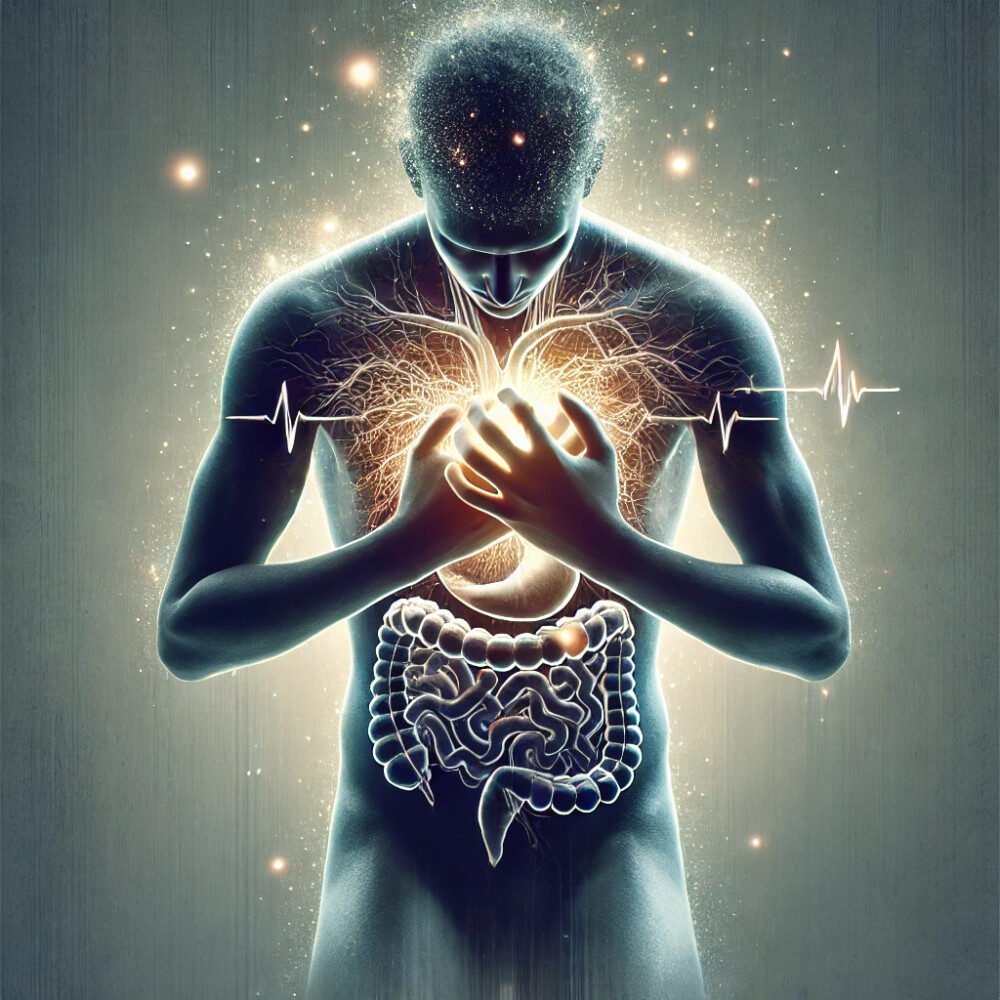
Imagine waking up every day with your body locked in a perpetual state of alarm. For many, anxiety triggers a fight-or-flight response that never truly switches off. The body becomes a battlefield:
- Chronic Fatigue: It is not the kind of tiredness a good night’s sleep can fix. This is a bone-deep exhaustion, where even lifting a mug of tea feels like a marathon. Anxiety drains energy reserves, leaving the body perpetually depleted and vulnerable to burnout.
- Cardiovascular Dangers: The heart races endlessly, a silent marathon of pounding that puts unimaginable strain on the cardiovascular system. Studies show a significant link between anxiety and an increased risk of hypertension, and heart attacks. For some, anxiety is a silent killer.
- Immune Suppression: Anxiety quietly sabotages the immune system, leaving individuals more susceptible to infections, colds, and chronic diseases. Every sneeze or ache feels like a personal failure.
The Invisible Pain – Internal and Unseen
Some physical manifestations of anxiety remain cloaked in invisibility, making it harder for others to understand:
- Stomach Knots and Gut Distress: Anxiety thrives in the gut. It twists and churns, leaving people with nausea, cramps, or even irritable bowel syndrome (IBS). Meals, once enjoyable, become sources of dread.
- Headaches and Migraines: Anxiety has a knack for creeping into the brain, manifesting as tension headaches or debilitating migraines. The throbbing pain is a constant, unwelcome visitor.
The Mental Labyrinth – Trapped in Endless Loops


Anxiety does not stop at the physical body. It seeps into the mind, corrupting thoughts and trapping individuals in spirals of doubt, fear, and self-loathing:
- Concentration Erosion: Tasks that once came naturally; reading a book, writing an email, or even holding a conversation; become potentially impossible challenges. The brain feels foggy, consumed by an endless flood of “what-ifs.”
- The Price of Hyper-Vigilance: Anxiety primes the brain to detect danger, even where there is none. The constant scanning for threats, whether physical or social, is exhausting, leaving individuals irritable and on edge.
Case Study: When Anxiety Steals a Life
Consider the story of Sarah, a 34-year-old teacher who prided herself on being the “rock” of her family. But behind closed doors, anxiety consumed her. Her heart raced uncontrollably during parent-teacher meetings. She avoided meals because of stomach pain and often cried in her car, unable to explain why. By the time she sought help, her immune system was so compromised that she had developed chronic illnesses. She lost months of her life to hospital visits, her relationships strained to breaking point.
Sarah’s story is not unique. Anxiety does not just steal time; it steals opportunities, dreams, and sometimes even lives.
A Silent Epidemic
The tragedy of anxiety disorders lies in how easily they are dismissed. The world rewards productivity, yet anxiety halts it in its tracks. Individuals are told to “relax,” “calm down,” or “just stop worrying,” as though anxiety were a choice. It is not. Anxiety is a relentless force, a stealer of energy, health, and joy.
The toll on mental and physical health is vast and deeply personal. It is a battle fought in isolation, a struggle that deserves understanding and compassion rather than judgment or indifference.
Anxiety in the Workplace – The Silent Productivity Killer
Work is meant to be a place of purpose and growth, but for those battling anxiety, it can become a source of relentless dread and unseen struggle. Anxiety in the workplace is a silent epidemic that chips away at productivity, morale, and overall well-being, leaving individuals feeling trapped in an endless cycle of pressure and self-doubt.
The Weight of Expectations
In the modern workplace, employees face an ever-growing list of demands: tighter deadlines, higher performance standards, and constant connectivity. For those prone to anxiety, these expectations can feel like a mountain too steep to climb. The feeling of being unable to meet these expectations often spirals into self-criticism and a fear of failure.
- Hyper-Vigilance at Work: Anxiety often manifests as over-preparation, constant checking, and an inability to “switch off” after hours. While it may appear as dedication on the surface, it is often driven by a fear of making mistakes or being perceived as inadequate.
- The Cycle of Avoidance: Anxiety can push individuals to avoid tasks, meetings, or even workplace interactions that feel overwhelming. What starts as a coping mechanism often leads to further stress and a backlog of responsibilities, deepening the sense of failure.
Absenteeism and Presenteeism – The Hidden Costs
Anxiety has a profound impact on workplace attendance and performance:
- Absenteeism: Anxiety-related absenteeism accounts for millions of lost workdays annually. Individuals may call in sick, citing physical symptoms like migraines or stomach pain, when in reality, they are battling overwhelming anxiety.
- Presenteeism: Perhaps even more damaging is presenteeism, where employees physically show up for work but are mentally and emotionally unable to perform. They may sit at their desks, paralysed by worry, unable to focus on even the simplest tasks.
The Effect on Teams
Anxiety is not just an individual burden; it impacts entire teams. When one person struggles, others often step in to pick up the slack, leading to resentment, burnout, and a breakdown in team cohesion. Anxiety creates an environment of instability, where communication falters, trust erodes, and productivity suffers.
Breaking the Silence – A Call to Action for Employers
Addressing anxiety in the workplace requires a shift in culture:

- Normalising Conversations: Employers must create safe spaces where employees feel comfortable discussing mental health challenges without fear of stigma or retaliation.
- Proactive Policies: Providing access to counselling, flexible working arrangements, and stress management workshops can make a world of difference.
- Training: Employees should be equipped to recognise the signs of anxiety and respond with empathy and support. Simple acts, like adjusting deadlines or acknowledging an employee’s efforts, can go a long way in reducing anxiety’s grip.
The Cost of Ignoring Anxiety
The financial toll of anxiety in the workplace is staggering. Anxiety-related absenteeism and presenteeism cost the UK economy billions annually, but the human cost is far greater. Missed opportunities, damaged relationships, and shattered self-esteem are the invisible price tags of a workplace that overlooks anxiety.
The Message to Employees

If you are struggling with anxiety at work, know that you are not alone. Your feelings are valid, and there is no shame in seeking help. Anxiety does not define your worth or capabilities. With the right support, it is possible to reclaim your sense of control and thrive both personally and professionally.
Anxiety in Relationships – When Fear Creates Distance
Anxiety does not just live in the mind of the person experiencing it; it seeps into their relationships, creating barriers that are often invisible to others. Whether it is with friends, family, or partners, anxiety can erode the very foundations of connection, trust, and understanding. The result is often a widening gulf of misunderstanding and emotional isolation.
The Quiet Saboteur
Anxiety has a way of disguising itself. It may look like anger, disinterest, or even coldness, but underneath lies fear; fear of rejection; fear of failure; fear of not being enough.
- Overthinking in Relationships: People with anxiety often replay conversations, dissecting every word and gesture for hidden meanings. “Did I say something wrong? Do they still like me? Why did they not text back immediately?” These thoughts can lead to a constant state of worry that poisons even the healthiest of relationships.
- The Walls of Self-Protection: To avoid perceived rejection or judgment, people with anxiety may withdraw emotionally, putting up walls to shield themselves from potential hurt. While this may feel like self-preservation, it often leaves loved ones feeling excluded and confused.
The Impact on Families
Families often bear the brunt of anxiety, even when they do not fully understand it. For parents, siblings, or children, living with someone who struggles with anxiety can be a balancing act between offering support and maintaining their own mental health.
- Misunderstandings: Family members may misinterpret anxiety-driven behaviours, like avoiding family gatherings or snapping during stressful situations as a lack of care or effort.
- Emotional Exhaustion: The constant need to reassure, comfort, or accommodate someone with anxiety can lead to burnout, frustration, and strained relationships.
Anxiety in Relationships
Relationships are particularly vulnerable to the effects of anxiety. Intimacy requires vulnerability, but anxiety often convinces people that they are unworthy of love or that their partner will eventually leave them.
- Fear of Abandonment: Anxiety may manifest as clinginess or over-dependence, as the individual seeks constant reassurance that their partner will not leave. This can create tension, as the partner may feel suffocated or overwhelmed.
- Avoidance of Conflict: On the flip side, anxiety can make someone avoid addressing issues in the relationship, fearing that conflict will lead to rejection. This avoidance often allows problems to fester, creating long-term damage.
- Physical Intimacy: Anxiety can also impact physical intimacy, with individuals avoiding closeness due to fear of vulnerability or self-consciousness about their bodies.
Breaking the Cycle
Recognising and addressing anxiety in relationships is essential to rebuilding trust and connection:
- Open Communication: Honest conversations about what anxiety feels like and how it impacts behaviour can dispel misunderstandings and bring loved ones closer.
- Setting Boundaries: Both the person with anxiety and their loved ones need boundaries to protect their mental health. It is okay to say, “I need a break,” or “I need support.“
- Seeking Professional Help: Family counselling or individual therapy can provide tools for managing anxiety and its effects on relationships.
The Role of Empathy
For loved ones, the most powerful tool is empathy. Anxiety is not a choice; it is a condition that requires understanding and patience. By showing compassion and being willing to learn about anxiety, loved ones can create a safe space where healing and connection are possible.
UK Statistics – The Economic and Social Cost of Untreated Anxiety
Anxiety is not just an individual challenge; it is a societal issue with far-reaching implications. In the UK, untreated anxiety disorders silently impact not only the individuals experiencing them but also the economy, workplace productivity, and the overall well-being of communities. Understanding the scale of this issue is critical to driving awareness, action, and systemic change.
The Numbers Speak Volumes
Recent data highlights the staggering prevalence of anxiety disorders in the UK and their tangible costs:
- Prevalence: According to the latest NHS reports, approximately 8 million adults in the UK live with anxiety disorders at any given time, representing nearly one in ten people.
- Economic Cost: Anxiety-related absenteeism and presenteeism collectively cost the UK economy an estimated £29 billion annually.
- Absenteeism: Anxiety accounts for a significant percentage of the 17 million workdays lost annually due to mental health-related absenteeism.
- Presenteeism: Employees working while mentally unwell often underperform, which is harder to quantify but equally damaging to overall productivity.
- Healthcare Strain: Anxiety disorders contribute to increased GP visits, referrals to mental health services, and a growing demand for therapeutic interventions.
Impact Beyond the Workplace
The social cost of untreated anxiety extends beyond economic measures:
- Community Well-being: Communities affected by untreated anxiety often experience a breakdown in social cohesion, as individuals withdraw and disengage.
- Educational Impact: Anxiety disorders affect students’ attendance, performance, and future opportunities, creating a ripple effect that can last for decades.
- Family Dynamics: The emotional toll of supporting a loved one with untreated anxiety often leads to burnout, strained relationships, and generational cycles of mental health challenges.
Spotlight on Inequality
Recent data underscores significant disparities in anxiety prevalence across different demographics in the UK:
- Gender Disparities: In 2022/23, an average of 37.1% of women reported high levels of anxiety, compared to 29.9% of men. This marks an increase from 2012–2015 figures, where 21.8% of women and 18.3% of men reported high anxiety levels. Mental Health Foundation
- Age Variations: In 2021, individuals aged 16 to 29 were the most likely to experience some form of anxiety, with 28% reporting such experiences. This likelihood decreased with age, with only 5% of those aged 70 and over reporting anxiety. Mental Health Foundation
- Youth Mental Health Trends: Between 2017 and 2018, nearly one-third (31%) of young women aged 16 to 24 reported evidence of depression or anxiety, up from 26% in previous years. Office for National Statistics
The Cost of Doing Nothing
Failing to address anxiety disorders has profound implications:
- Economic Consequences: Lost productivity, increased healthcare costs, and reduced workforce participation create a cumulative burden on the national economy.
- Human Cost: Untreated anxiety can escalate into severe conditions like depression, substance abuse, or suicidal ideation, leaving families and communities grappling with preventable tragedies.
Turning Data into Action
Statistics alone cannot create change, but they provide a powerful foundation for advocacy:
- Workplace Initiatives: Employers must recognise the financial and human benefits of supporting mental health. Offering employee assistance programmes (EAPs), flexible work arrangements, and regular mental health check-ins can make a significant difference.
- Community Programmes: Local governments and organisations should fund outreach programmes, crisis helplines, and workshops to address anxiety at the community level.
- Policy Reform: Increased investment in mental health services, particularly for early intervention, can reduce the long-term cost of untreated anxiety and improve the overall well-being of the population.
Empowering Individuals
For individuals experiencing anxiety, understanding its prevalence can reduce feelings of isolation and shame. Seeking help is not a sign of weakness but a proactive step towards reclaiming one’s life. Remember, anxiety is common, but it is also treatable.
Breaking the Stigma Around Anxiety Disorders
Anxiety disorders remain one of the most misunderstood mental health challenges. Despite being the most common mental health condition worldwide, stigma and misconceptions continue to silence those who suffer, delaying diagnosis and access to life-changing support. Breaking this stigma is not just important, it is imperative.


The Weight of Misconceptions
Anxiety is often trivialised as “just overthinking” or dismissed with phrases like “calm down” or “you are being dramatic.” These misconceptions perpetuate the harmful belief that anxiety is a choice or a personal weakness rather than a legitimate mental health condition.
- Impact on Individuals: Stigma isolates people, making them feel ashamed or embarrassed about their struggles. This shame often prevents individuals from seeking help, exacerbating their symptoms and reducing their quality of life.
- Impact on Society: Stigma fosters ignorance, creating workplaces, communities, and systems ill-equipped to support those with anxiety. The result is an increase in absenteeism, presenteeism, and healthcare costs, an impact that affects everyone.
A Shared Burden – Absenteeism and Presenteeism Across Mental Health Disorders
As seen in the previous post – Stress: The Silent Productivity Killer – stress is a major contributor to absenteeism (lost workdays) and presenteeism (reduced productivity while at work). Anxiety disorders follow a similar pattern, but with nuances that vary depending on the individual and severity of the disorder.
- Absenteeism: Anxiety often leads to avoidance behaviours, with individuals calling in sick to avoid situations that feel overwhelming. Whether it is a high-stakes meeting or a seemingly mundane task, the toll on productivity is significant.
- Presenteeism: Unlike stress, which may ebb and flow with external pressures, anxiety often persists in the background, causing long-term dips in performance. Employees may struggle to focus, miss deadlines, or feel unable to contribute fully to team discussions.
While stress, anxiety, and other mental health conditions share common ground in their impact on the workplace, each condition presents unique challenges. The costs of absenteeism and presenteeism, therefore, are not fixed, they fluctuate depending on the severity and nature of the mental health disorder. Recognising these overlaps helps businesses create tailored interventions that address the root causes.
The Path Forward – Normalising Anxiety
Breaking the stigma around anxiety requires collective effort from individuals, organisations, and society:
- Education: Providing accurate information about anxiety disorders can dispel myths and promote understanding.
- Empathy: Encouraging open conversations about mental health helps reduce shame and builds supportive environments.
- Advocacy: Public campaigns, workplace policies, and community programmes should champion the message that anxiety is not a weakness but a condition that deserves care and support.
The financial and human costs of anxiety, and mental health disorders broadly, are undeniable. Absenteeism, presenteeism, strained relationships, and deteriorating physical health are recurring themes across this blog series because they reflect the pervasive impact of untreated mental health challenges. By addressing anxiety with the same urgency as stress or other conditions, we can build a society that values mental health as much as physical health.
Navigating Anxiety – Tools and Strategies for Support
Navigating Anxiety is pivotal in offering readers practical, empathetic strategies to understand anxiety disorders, whether for themselves or others. The aim is to empower individuals and organisations with actionable insights that foster resilience, understanding, and healing.
Building Bridges to Recovery
Living with anxiety can feel like travelling a stormy sea in a fragile boat. Each wave, unpredictable and overwhelming, threatens to capsize. But with the right tools and support, individuals can build stronger vessels, navigate calmer waters, and eventually steer toward a place of stability and peace.
Self-Help Strategies – Taking the First Steps
For individuals living with anxiety, the journey often begins with small, intentional actions that reclaim control and foster inner peace.
- Breathing Techniques: Anxiety often manifests as shallow, rapid breathing. Practising deep, controlled breathing, such as the “4-4-4-4 method” (inhale for 4 seconds, hold for 4 seconds, exhale for 4 seconds, hold for 4 seconds) can help reset the nervous system.
- Mindfulness and Meditation: Apps like Calm and Headspace guide users through mindfulness practices that ground them in the present moment, reducing anxiety triggers.
- Journaling: Writing down thoughts and emotions helps individuals identify patterns and externalise overwhelming feelings, making them more manageable.
- Physical Activity: Exercise releases endorphins, the body’s natural stress relievers. Activities like yoga, walking, or dancing can significantly improve mental well-being.
Professional Support – When Self-Help Is Not Enough
While self-help strategies are beneficial, some individuals may require professional intervention to address deeper-rooted anxiety.
- Therapies: Cognitive Behavioural Therapy (CBT): Helps individuals identify and challenge negative thought patterns that fuel anxiety.
- Exposure Therapy: Gradually desensitises individuals to anxiety triggers through controlled, repeated exposure.
- Medication: Prescribed by qualified professionals, medications can help regulate brain chemistry for those with severe anxiety.
- Support Groups: Peer-led groups offer a safe space to share experiences and gain insight from others navigating similar challenges.
Organisational Strategies – Creating Safe Workspaces
For workplaces, addressing anxiety is not just about productivity, it is about fostering a culture of care and understanding.
- Employee Assistance Programmes (EAPs): Providing confidential counselling and mental health resources can make a significant difference.
- Flexible Work Policies: Allowing remote work or flexible hours helps employees manage anxiety without the added stress of rigid schedules.
- Manager Training: Equipping managers with the skills to recognise signs of anxiety and provide support creates a more inclusive environment.
- Open Dialogue: Hosting regular discussions or workshops about mental health breaks down stigma and normalises seeking help.
Supporting Loved Ones – The Power of Empathy
For those supporting someone with anxiety, understanding and patience are vital.
- Listen Without Judgment: Sometimes, just being a sounding board is the most powerful form of support.
- Educate Yourself: Learning about anxiety disorders helps you provide informed and compassionate care.
- Avoid “Fixing” Mental Health: Instead of offering solutions, ask open-ended questions like, “How can I support you today?“
- Celebrate Progress: Even small victories, like attending a social event or completing a task, are worth recognising.
Navigating anxiety is a journey, not a destination. By combining self-help strategies, professional resources, and the support of empathetic communities, individuals can regain control over their lives. As a society, recognising the value of compassion and shared humanity can transform how we approach anxiety disorders, fostering a brighter, more inclusive future.
A Culture of Support – The Role of Mental Health First Aiders
In any organisation or community, Mental Health First Aiders (MHFAs) are the unsung heroes. They are trained not to replace professional therapists but to be the first point of contact; a beacon of support when someone feels overwhelmed by anxiety. Their role is pivotal in creating environments where people feel seen, heard, and valued.


Recognising the Need
Anxiety disorders can be invisible, making it challenging for individuals to seek help or for others to recognise the signs.
- Spotting the Signs: MHFAs are trained to identify early symptoms of anxiety, such as behavioural changes, avoidance patterns, and physical signs like restlessness.
- Encouraging Conversations: A simple, empathetic “Are you okay?” can be the gateway to uncovering hidden struggles.
Providing Immediate Support
MHFAs offer immediate emotional support, ensuring individuals feel safe and understood.
- Active Listening: One of the most vital tools in an MHFA’s arsenal is their ability to listen without judgment. Listening validates a person’s feelings and creates a space for openness.
- Using the STOP Framework
- S – Spot the Signs: Recognise anxiety indicators early.
- T – Talk: Create a non-threatening space for dialogue.
- O – Offer Hope and Care: Reassure individuals that they are not alone and that help is available.
- P – Professional/Organisational Support: Guide individuals toward appropriate professional help or internal resources.
- S – Self-help Strategies: Encourage practical steps to manage anxiety, such as breathing exercises or journaling.
Building Organisational Trust
MHFAs play a significant role in normalising conversations about mental health and creating inclusive workplaces.
- Reducing Stigma: By openly advocating for mental health awareness, MHFAs help dispel myths and break down barriers.
- Promoting Resources: They act as liaisons, connecting individuals to Employee Assistance Programmes (EAPs), therapy options, or support groups.
- Training Peers: MHFAs can inspire others to become mental health champions, expanding the culture of care within organisations.
Supporting Diverse Needs
Anxiety manifests differently across cultures, ages, and individual experiences. MHFAs are trained to adapt their support based on these nuances.
- Cultural Sensitivity: They recognise how cultural stigma around mental health can deter individuals from seeking help and work to dismantle these barriers.
- Inclusive Language: Avoiding labels or judgments, they use language that fosters trust and openness.
- Hybrid/Remote Work Support: For remote employees, MHFAs offer virtual check-ins and share digital resources to ensure no one feels isolated.
The Ripple Effect of Care
The impact of MHFAs extends beyond the individuals they directly support.
- Community Building: Their actions encourage a ripple effect, where others feel empowered to support colleagues, friends, and family members.
- Boosting Morale: Employees in workplaces with active MHFAs report feeling more supported and valued, leading to increased engagement and loyalty.
MHFAs are not just first responders, they are advocates, educators, and changemakers. By fostering a culture of support, they help individuals navigate anxiety, dismantle stigma, and move toward recovery. In doing so, they strengthen the very fabric of workplaces and communities.
Myth vs Fact – Top 6
Myth 1: Anxiety is just an excuse for being lazy
- Fact: Anxiety is a medically recognised mental health condition that affects the brain and body. People with anxiety often face immense challenges in managing daily tasks, and labelling them as lazy dismisses their struggle and exacerbates their stress.
Myth 2: Only weak people experience anxiety
- Fact: Anxiety disorders do not discriminate. They affect people across all ages, genders, and socioeconomic backgrounds. Experiencing anxiety is not a sign of weakness but an indication of how deeply humans respond to stress or emotional triggers.
Myth 3: Anxiety will go away if you just ignore it
- Fact: Ignoring anxiety can often worsen the symptoms. Professional help, self-care strategies, and support from friends and family are essential for effectively managing anxiety disorders.
Myth 4: Anxiety is always triggered by trauma
- Fact: While trauma can trigger anxiety, many other factors, including genetics, brain chemistry, and environmental stressors, play a role. For some, anxiety arises without an identifiable cause.
Myth 5: You can tell if someone has anxiety by looking at them
- Fact: Anxiety disorders are often invisible. Many people mask their symptoms, making it impossible to gauge someone’s mental state simply by their appearance.
Myth 6: People with anxiety should just relax and calm down
- Fact: Suggesting relaxation without understanding the root of someone’s anxiety can come across as dismissive. Anxiety is not a choice; it’s a condition that often requires treatment, whether through therapy, medication, or other interventions.
By dispelling these myths, we build a better understanding of anxiety disorders, enabling empathy and creating environments where individuals feel supported rather than judged.
Anxiety in Children and Teens


Anxiety in children and teens is often misunderstood or overlooked, dismissed as shyness, teenage angst, or simply part of growing up. Yet, the reality is far more profound. Anxiety disorders affect young people just as significantly as adults, and in some cases, even more so. Navigating a world filled with academic pressure, social media influences, family dynamics, and the daunting expectations of the future can be overwhelming. For children and teenagers, who are still developing their emotional and cognitive abilities, anxiety can manifest in unique and complex ways.
Left unaddressed, anxiety can hinder their growth, disrupt academic performance, and strain relationships with family and friends. However, understanding the roots and recognising the signs of anxiety in young individuals can make a transformative difference. This section explores the causes, signs, and strategies to support children and teens battling anxiety, with a focus on empowering parents, educators, and peers to become allies in fostering resilience and well-being.
The Causes of Anxiety in Children and Teens
- Academic Pressure: Increasingly competitive education systems and societal expectations often place immense stress on young individuals. Exams, grades, and future prospects can become overwhelming, leading to feelings of inadequacy and persistent worry. Case Example: A 13-year-old boy, once a high-achiever, begins dreading school after repeated low scores, feeling he will never meet expectations. Anxiety keeps him awake at night, worsening his focus and creating a cycle of self-doubt.
- Social Media and Peer Comparisons: The digital age exposes children and teens to constant comparisons. Social media platforms often present curated realities that can create unrealistic standards of beauty, success, and happiness. Quote from a Child Psychologist: “Teens are under immense pressure to present a perfect life online, which disconnects them from their true emotions and exacerbates anxiety.”
- Family and Environmental Stressors: Tension at home, financial struggles, divorce, or exposure to violence can severely impact a child’s mental health. For teens, feeling responsible for the family’s well-being can heighten their anxiety, creating an invisible burden they often carry alone.
- Hormonal Changes and Brain Development: Adolescence is a period of significant physical and psychological transformation. These hormonal shifts can heighten emotional sensitivity, making young people more vulnerable to anxiety triggers.
Signs of Anxiety in Children and Teens
Recognising anxiety in younger individuals requires keen observation, as they may lack the ability to articulate their emotions effectively. Common signs include:
- Behavioural Changes: Avoidance of social interactions or activities they once enjoyed. Frequent requests to stay home from school or reluctance to leave the house. Fidgeting, nail-biting, or repetitive habits that signify restlessness.
- Emotional Outbursts: Sudden tears, irritability, or anger that seem disproportionate to the situation. Expressions of fear or worry about things that may appear minor to adults.
- Physical Symptoms: Complaints of headaches, stomach aches, or other ailments with no clear medical cause. Difficulty sleeping, frequent nightmares, or a reluctance to go to bed.
- Academic Performance: Drop in grades or a lack of concentration in class. Overachieving tendencies due to perfectionism rooted in anxiety.
How to Support Children and Teens with Anxiety
- Create Open Lines of Communication: Encourage children to express their feelings without fear of judgment. Phrases like “It’s okay to feel worried” can create a safe space for dialogue. Use age-appropriate language to explain what anxiety is, so they feel less alone and misunderstood.
- Develop Coping Mechanisms: Teach relaxation techniques like deep breathing, mindfulness exercises, or journaling. Help them establish routines that incorporate regular physical activity and adequate sleep.
- Limit Social Media Exposure: Set boundaries on screen time and encourage offline activities, such as hobbies or family time. Teach them to critically evaluate what they see online, reinforcing the idea that social media is often not a reflection of reality.
- Involve Schools: Educators play a pivotal role in supporting anxious students. Advocate for mental health awareness programs and ensure teachers are equipped to identify and address anxiety in the classroom. Schools can offer resources such as counselling or peer support groups.
- Seek Professional Help When Needed: Recognise when anxiety surpasses the realm of parental or educational intervention. Early therapy or counselling can prevent anxiety from escalating into more severe conditions.
A Call for Awareness
The challenges faced by children and teens are often dismissed as insignificant compared to adult struggles, but this mindset perpetuates a cycle of misunderstanding and neglect. Anxiety disorders in young people are real, impactful, and deserving of attention. By educating ourselves and breaking the stigma, we can help children and teens thrive, even amidst challenges.
Resources and Support
Navigating anxiety can feel overwhelming, but the availability of resources and support networks offers hope. This section provides a comprehensive guide to tools, organisations, and actionable steps individuals and their support systems can utilise to manage anxiety effectively. Whether you are personally affected, a loved one seeking to help, or a professional looking for guidance, these resources are essential.
National and Local Organisations
- Mind (UK): Mind is a leading mental health charity offering information, support, and resources. Their helpline provides guidance on anxiety and other mental health challenges. Website: www.mind.org.uk Helpline: 0300 123 3393
- Anxiety UK: Specialising in anxiety disorders, Anxiety UK provides support through therapy referrals, helplines, and community forums. Website: www.anxietyuk.org.uk Helpline: 03444 775 774
- YoungMinds: Focused on children and teens, YoungMinds offers resources for young people and their families to navigate anxiety and other challenges. Website: www.youngminds.org.uk Parent Helpline: 0808 802 5544
- Samaritans (UK): Samaritans provides a confidential 24/7 helpline for those experiencing mental health crises, including anxiety. Website: www.samaritans.org Helpline: 116 123
Digital Tools and Apps
- Headspace: An app designed to improve mental well-being through guided meditation and mindfulness exercises. Many of its features target stress and anxiety relief.
- Calm: Focused on improving sleep, relaxation, and stress management, Calm offers tailored content for managing anxiety symptoms.
- SilverCloud: An NHS-approved digital therapy platform offering cognitive behavioural therapy (CBT) for anxiety, depression, and stress.
Professional Help
- General Practitioners (GPs): Your GP can be a first point of contact for anxiety management, offering advice, treatment, or referrals to specialised mental health services.
- Therapists: Seek licensed professionals specialising in anxiety disorders, such as counsellors, psychotherapists, or CBT practitioners.
- Workplace Mental Health Services: If you are employed, check if your organisation provides Employee Assistance Programmes (EAPs) or access to counselling services.
Self-Help Strategies
- Journaling: Regularly writing down thoughts and emotions can help identify anxiety triggers and patterns.
- Exercise: Physical activity, even in small amounts, can significantly reduce anxiety symptoms by releasing endorphins.
- Relaxation Techniques: Breathing exercises, progressive muscle relaxation, and yoga can offer immediate relief during high-anxiety moments.
- Books and Podcasts: “The Anxiety and Phobia Workbook“ by Edmund J. Bourne: A comprehensive guide filled with tools to manage anxiety. Podcasts like “The Anxiety Coaches Podcast“ provide regular insights and coping techniques.
Specialised Resources for Families
- For Parents: Anna Freud National Centre for Children and Families: A resource for parents to support children with anxiety disorders.
- For Educators: Mentally Healthy Schools offers lesson plans and guides to foster mental well-being in schools.
Seeking help for anxiety is not a sign of weakness but of strength and self-awareness. These resources are just the beginning of the journey to managing anxiety effectively. Whether it is through a supportive conversation, a trusted app, or professional guidance, the path to a better quality of life is within reach. Remember, support is available, and taking that first step can be life-changing.
Conclusion – Breaking Down the Invisible Barrier
Anxiety is often called the invisible barrier, not just because of how it manifests but also because of the stigma and misunderstanding that surround it. It silently impacts millions of lives, seeping into our mental, emotional, and physical well-being, often leaving individuals feeling isolated and overwhelmed. Yet, as we have explored in this post, understanding anxiety and its multifaceted impact is the first step in dismantling its hold.


Breaking the stigma means moving from fear to understanding. It means challenging myths and misconceptions, recognising the profound toll anxiety takes on every aspect of life, and fostering empathy and awareness. Whether you are someone living with anxiety, a family member offering support, or a colleague fostering a better workplace environment, awareness is a powerful tool for change.
Anxiety is not a personal failure, and it does not define who someone is. It is a condition; a part of life for many; that requires compassion, understanding, and action. By listening to the voices of those impacted, offering support, and seeking professional help when needed, we can collectively work toward a world where anxiety is no longer invisible or misunderstood.
Next in the Series
In the next post, we will delve into a deeply personal and pervasive mental health challenge – Depression: The Silent Epidemic. This post will examine how depression touches every corner of life, offering a raw and unfiltered exploration of its effects and highlighting strategies for understanding and support.
Let us continue this journey together. Together, we can break down the barriers, shine a light on the hidden struggles, and foster a society where mental health is a priority for all.