
Suicide. A word cloaked in pain, misunderstood by many, and often silenced by stigma. It is a subject so deeply uncomfortable that it is rarely spoken about openly, yet its impact is devastating; shattering families, friends, workplace colleagues and communities, leaving behind unspoken questions, overwhelming grief, and the haunting sense of “what if?“
Warning – this post has been tuff to write; to read stories, research and pull together information in a way that represents who I am and how my brain thinks and operates has been a challenge, emotional and amazing – yes, the post speaks for itself.
My main thoughts in this introduction is important, but the following links are the real important factors to consider:
Need Help: Useful Links in the UK
For everyone: Home – Harmless
For men: Andy’s Man Club | #ITSOKAYTOTALK | Andy’s Man Club
For Women: Women’s Suicide Prevention Hub – Grassroots Suicide Prevention
For Children and Teenagers: Papyrus UK Suicide Prevention | Prevention of Young Suicide
For far too long, suicide has existed in the shadows. The stigma surrounding mental health and the fear of saying the wrong thing often keep people silent. But silence does not save lives, conversations do. To speak openly about suicide is not to give it power but to strip away its hold, offering hope to those who feel trapped and alone. Every life lost to suicide represents a story that could have taken a different path if the right words, actions, or understanding had come at the right time.
This post is not written to make us feel comfortable. It is written to confront the truth about suicide head-on; the complexities, the pain, and the urgency of intervention. It is written for those who feel they have no way out, for those who love someone struggling, and for those who simply want to make a difference but do not know where to begin.
It is not an easy conversation, but it is a necessary one. Through understanding, compassion, and action, we all can begin to dismantle the walls of silence and save lives.
Remember this: saving one person’s life is not just the beginning of a movement or a statistic; it is saving one person’s life.
It is the most profound and meaningful impact you can have, offering hope and a future to someone who felt it slipping away.
By the end of this post, I hope you will see why suicide is not just a statistic but a human challenge, and why your voice, your compassion, and your willingness to act can change the course of someone’s life, a reminder that the words we speak, the care we show, and the courage we summon to have difficult conversations can mean the difference between hope and despair, between life and loss.
The Global and UK Context
Ok so let me be frank, suicide is not confined by borders, cultures, or social economic statuses. It is a global crisis; a silent epidemic that touches every corner of the world, affecting individuals, families, work colleagues, and entire communities. Understanding its context, both globally and within the United Kingdom, is crucial to appreciating the scale of this issue and the urgency for obliterating stigma.
The Global Reality
Worldwide, suicide remains one of the leading causes of death, particularly among young people aged 15–29. According to the World Health Organization (WHO), over 700,000 people die by suicide every year. This equates to one life lost every 45 seconds, a statistic that underscores the scale of this mental health challenge.

In many countries, the stigma around mental health and suicide limits access to care, leaving those in need without the resources to seek help. Globally, low and middle income countries bear the heaviest burden, accounting for more than 75% of suicides, yet their access to mental health services is often woefully inadequate. These inequalities reflect not only systemic failings but also cultural taboos that silence a persons cry for help.
The United Kingdom: A Closer Look
Within the United Kingdom the statistics paint a similar picture. Suicide is the leading cause of death for men under 50 and a major cause of mortality among young people aged 10–24. In 2022, the UK recorded over 5,500 deaths by suicide, with a disproportionate impact on men, who accounted for 75% of cases. These figures highlight the gendered nature of suicide, driven by factors such as societal expectations, reduced help-seeking behaviours, and mental health stigma.
Each nation within the UK faces its unique and constantly growing challenges:
- England: Suicide rates among young women have reached their highest levels on record. The connection between social media, self-image, and mental health is becoming increasingly evident, particularly among teenagers.
- Scotland: Scotland has consistently reported higher suicide rates than the rest of the UK, with rural areas experiencing an alarming rise due to isolation and limited access to mental health services.
- Wales: Despite proactive government initiatives, suicide remains a pressing public health concern, particularly in areas of economic deprivation.
- Northern Ireland: With the highest suicide rate per capita in the UK, Northern Ireland’s history of political conflict and community trauma plays a significant role in its mental health crisis.
The Unseen Effects of Suicide
Behind every statistic is a story of profound loss. For every individual who dies by suicide, an estimated 100 people – family members, friends, colleagues – are emotionally impacted. The ripples extend further, affecting workplaces, communities, and healthcare systems. Globally and within the UK, the economic cost of suicide is staggering, with billions lost in productivity and healthcare expenses each year. Yet, the human cost – the void left in the lives of those who knew and loved the person – is immeasurable.
While the context may vary from one region to another, the need for intervention remains essential. The solutions are not “one-size-fits-all“ but require a tailored approach that considers cultural, social, and economic understanding. One principle remains constant; the need to promote open conversations, eliminate stigma, and create systems of support that leave no one behind – no matter what a person’s age, gender, religious, or cultural life is or will become.
Remember – Suicide is not just a personal struggle – it is a social issue that demands collective responsibility. Understanding not only its UK-specific context, but its global context, is the first step in breaking the silence and taking meaningful action to save lives.

Understanding the Causes of Suicide – Complexities Beneath the Surface
Suicide is never the result of a single moment, a single thought, or a single decision. It is a culmination; a complex, often invisible web of pain, desperation, and isolation that builds over time.
Understanding the causes of suicide means stepping into that web, recognising its strands, and appreciating how intricate and fragile the human mind can become under immense pressure.
The Weight of Silent Pain
For many, suicide stems from a profound sense of hopelessness. Imagine carrying the weight of the world on your shoulders, unable to share it, unable to find relief, and unable to see an end to the suffering. It is not merely sadness; it is the absence of light, where the tunnel seems endless and the idea of escape becomes a distorted sense of relief. This internal battle is relentless, and many who face it do so in silence, fearing judgment, rejection, or misunderstanding.
The Role of Mental Illness
Mental health disorders, particularly depression, anxiety disorders, bipolar disorder, and schizophrenia, are often significant contributors to suicide.
- Depression, for instance, can rob a person of their ability to see a future. It distorts reality, convincing them that their existence is a burden rather than a blessing.
- Anxiety can leave them paralysed, spiralling in a loop of fear and self-doubt.
- Bipolar disorder can intensify this with its extremes of euphoria and despair, while
- Schizophrenia can introduce voices or delusions that may encourage self-harm.
Each of these illnesses appears and grows differently, but all share the potential to push individuals toward the edge if left untreated or unsupported.
The Influence of Trauma
Trauma can act as a catalyst, igniting the underlying vulnerabilities that lead to suicidal thoughts. Whether it is childhood abuse, bullying, domestic violence, or a significant loss, trauma leaves scars that are not always visible.
The brain processes these events, sometimes replaying them in vivid, haunting detail, creating a persistent sense of danger or despair. For some, suicide becomes a way to escape the echoing pain of these experiences.
Society and Cultural Pressures
Society often imposes expectations that can elevate our feelings of inadequacy or failure.
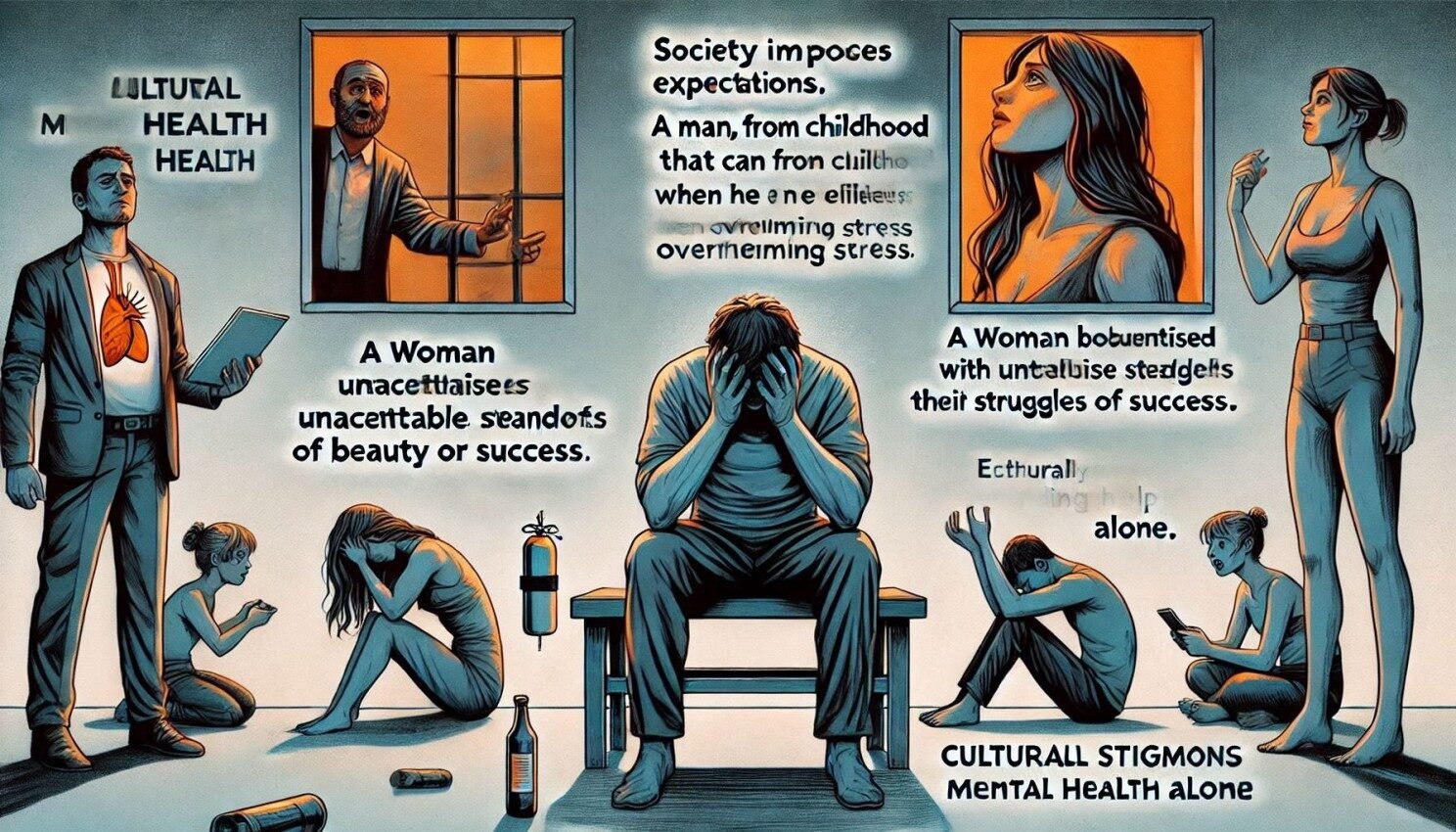

- A man, taught from childhood to suppress his emotions, may feel he has no outlet when faced with overwhelming stress.
- A woman, bombarded with unattainable standards of beauty or success, may internalise feelings of worthlessness.
Cultural stigmas surrounding mental health can prevent individuals from seeking help, leading them to battle their struggles and demons alone.
The Effect of Economic Stress
Financial hardship is another leading cause of suicide. Losing a job, mounting debts, or the inability to provide for loved ones can strip individuals of their sense of purpose and dignity. In their eyes, suicide may appear as the only way out – a heartbreaking testament to how society structures fail to support those in their darkest hours.
Isolation – The Quiet Enemy
Human beings are inherently social creatures, and isolation can be deadly. Whether physical or emotional, feeling disconnected from others intensifies feelings of loneliness and despair. The covid pandemic highlighted this stark reality, as isolation led to a surge in mental health crises and suicides worldwide. For those already struggling, being cut off from their support networks often deepened their pain.
Impulsivity and the Dangerous Moment


Not all suicides are premeditated. For some, the decision comes in a moment of overwhelming impulsivity. A heated argument, a sudden rejection, or an unbearable event can trigger an immediate, irreversible action. These moments underline the importance of support systems and safety nets; interventions that could prevent a fleeting thought from becoming a permanent tragedy.
The Complexity of Choice
It is crucial to understand that suicide is not about weakness or selfishness. It is about pain. Pain that feels inescapable. Pain that clouds judgment. Pain that makes the unbearable seem logical. And while it is a deeply personal act, its causes are almost always rooted in external factors, systems that failed, stigmas that silenced, or support that were absent.
Breaking the Silence on Causes
Understanding the causes of suicide requires compassion, not judgment. It demands that we see beyond the act itself and into the life that led to it. Every cause is a call to action; a reason to do better, to listen more, to educate ourselves, and to build a world where fewer people feel that death is their only option.

Remember – suicide is not inevitable. It is preventable, and it starts with us: our willingness to understand, to care, and to act.
Because saving one life is not the start – it is everything.
Spotting the Warning Signs – Life-Saving Vigilance
Recognising the warning signs of suicide is not always straightforward. The journey to such a tragic decision is often paved with subtle shifts in behaviour, emotion, and communication. While no single sign guarantees a person is considering suicide, certain patterns often emerge. Being attentive and responsive to these signals can be the difference between life and death.
The Silent Despair – Emotional Changes
People contemplating suicide frequently withdraw into themselves. This withdrawal manifests as pervasive sadness, hopelessness, or emotional numbness. They might lose interest in activities they once loved or seem incapable of finding joy in any aspect of life. Their emotions often fluctuate between extreme despair and sudden, inexplicable calm – sometimes this is a sign that a person has decided to act on their “ending life” thoughts.
Other times, their language becomes a clear window into their struggle. Phrases such as
“I can’t take this anymore,” “I wish I could disappear,” or even “Everyone would be better off without me”
may feel indirect but are often cries for help. Ignoring or dismissing these statements could be a tragic oversight.
Behavioural Shifts – When Actions Speak Louder
Changes in behaviour often accompany emotional distress. Look for signs of withdrawal from social circles, declining work performance, or neglect of personal hygiene and responsibilities. A previously reliable colleague might start missing deadlines. A friend might suddenly stop responding to calls or texts.
Pay attention to what might seem like uncharacteristic generosity; suddenly giving away possessions or making arrangements for financial matters. These actions often indicate someone is preparing for a future where they believe they will no longer be present.
Physical Signs – The Body Speaks What the Mind Conceals
Suicide doesn’t only impact the mind; the body often carries the weight of the struggle. Chronic fatigue, unexplained aches, or frequent illnesses may indicate a deeper battle with mental health. People in crisis might also turn to substance abuse as a means of escape, with increased consumption of alcohol or drugs serving as an alarm bell for those paying attention.
The Social Dynamics Effect
The most alarming signs often show in a persons social dynamics. Isolation becomes their shield; they avoid gatherings, shut out loved ones, and sever ties. Relationships that were once strong may weaken as they pull away.
Some may attempt to mask their despair by overcompensating in social settings. They may try to appear cheerful or unaffected, driven by a desire to avoid burdening others or a fear of being judged.
This mask can make it even harder for those around a person to see the depth of their struggle.
Listening Without Judgement
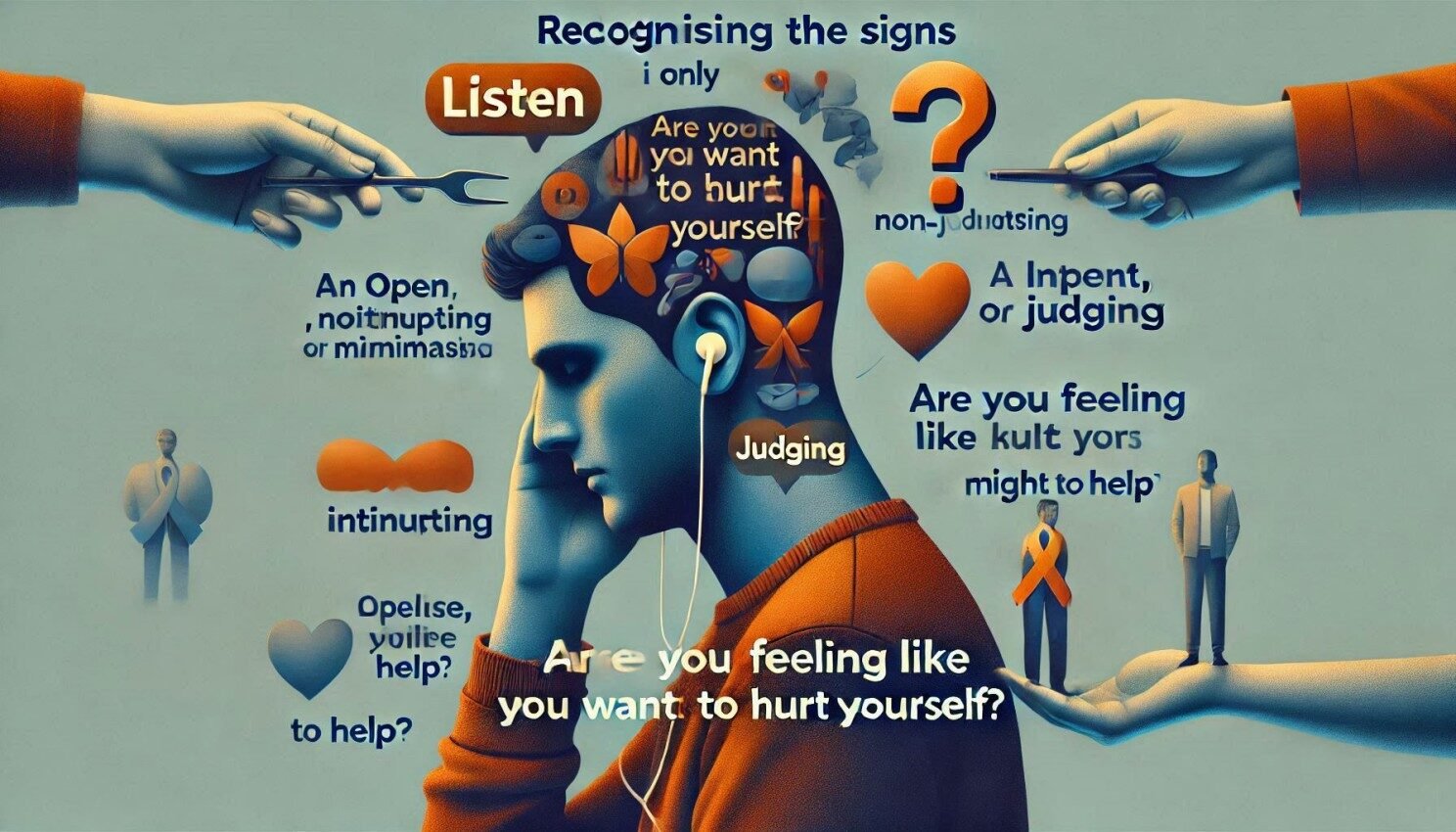

Recognising the signs is only the first step. The most critical action you can take is to listen, without interrupting, judging, or minimising a person’s feelings. An open, non-judgmental conversation can be the lifeline they need. Asking direct questions like
“Are you feeling like you want to hurt yourself?”
might feel uncomfortable, but it shows you care and are willing to help.
Trust Your Intuition
Often, the warning signs are not bright lights but quiet whispers. Trust your instincts. If something feels off, it likely is. Taking a moment to reach out could make all the difference. Sometimes, simply knowing that someone notices and cares can be a pivotal turning point for someone considering suicide.
By being vigilant and compassionate, we can become the safety net that catches those who feel they are falling into the abyss. Suicide prevention isn’t just about grand gestures; it’s about the quiet, everyday actions that tell someone they are seen, valued, and not alone.
The Role of Conversation: It Starts With Listening
Words have power! but in the realm of mental health, silence often speaks louder. A quiet presence, an attentive ear, and a non-judgmental attitude can mean the difference between despair and help. When someone is struggling with suicidal thoughts, the very act of listening can serve as a lifeline.
Listening is not just about hearing the words someone speaks; it is about creating a space where they feel safe to share the unspoken. Many who contemplate suicide do so in isolation, fearing judgment or misunderstanding. They may believe that no one can truly understand their pain, or worse, that their pain is an inconvenience to others. A conversation, approached with empathy and patience, can break through this isolation.
The Importance of Non-Judgmental Listening
Imagine being trapped in a storm engulfed by your own emotions, unable to see a way out, and fearing that if you express your turmoil, you will be met with criticism or dismissal. This fear keeps many silent. Non-judgmental listening is an antidote. It tells the person:
“Your feelings are valid, and I am here for you.“
Practical Steps to Listening Effectively
- Be Present: Put away distractions. Give the person your full attention.
- Validate Their Feelings: Phrases like “I can see how that would feel overwhelming” or “That must be so difficult” show understanding without minimizing their experience.
- Avoid Offering Solutions: Sometimes, the most helpful thing you can do is to simply acknowledge their pain. Resist the urge to “fix” things unless they explicitly ask for advice.
- Ask Open-Ended Questions: Encourage them to share more with prompts like “Can you tell me more about what you’re feeling?” or “What’s been the hardest part for you?“
Breaking the Silence: The First Words
Starting the conversation can be daunting, especially if you suspect someone is in a dark place. Simple, direct questions can open the door:
- “You seem to have a lot on your mind lately. Do you want to talk about it?“
- “I’ve noticed you haven’t been yourself recently. Is something bothering you?“
- “Have you had thoughts of not wanting to be here?“
While these questions may feel uncomfortable, they show care and concern. Asking directly about suicidal thoughts does not increase the risk of someone acting on them; instead, it can provide relief, letting them know someone is willing to listen.
The Essential Impact of a Conversation


A single conversation can have a profound impact. It can plant a seed of available help, reminding someone that they are not alone. It can encourage a person to seek professional help or open up to others. Even if a person does not share much in the moment, your willingness to listen can leave a lasting impression.
By listening, you may not only save a life but also set a powerful example for others. Conversations about mental health can inspire a culture of openness, where seeking help is seen as a strength, not a weakness.
The Impact on Families, Friends, and Colleagues
When someone takes their own life, the impact extends far beyond the individual. It reverberates through families, friends, and workplaces, leaving behind a trail of grief, confusion, and sometimes guilt. The ripple effect underscores that no life is lived in isolation and that each loss profoundly affects the networks surrounding the person.
The Family: A Void That Never Fills
For families, the loss is deeply personal. Parents, siblings, children, and partners often find themselves trapped in cycles of self-blame, questioning every interaction:
What did we miss? What could we have done differently?
This endless questioning can lead to profound emotional wounds that may never fully heal. Adding to the pain, society stigma often grows in whispered judgments:
“Why didn’t the family do more?“
Such thoughts isolates grieving families even further when they most need understanding and compassion.
Friends: The Guilt of Silence
For friends, the loss carries its own weight. These are the people who shared laughter, dreams, and secrets, and their grief is often laced with guilt. The haunting thoughts –
Why didn’t I reach out? Did I not notice something?
– linger long after the loss. Friends may feel a profound sense of betrayal, as though they failed their friend in their time of need.
Workplaces: The Silent Ripple Among Colleagues
For many, workplaces and colleagues make up a significant part of daily life; often more hours are spent with work peers than with family or friends. When a colleague is lost to suicide, the impact on the workplace can be profound. Teams may feel destabilised, grappling with grief while trying to maintain professional responsibilities. Colleagues may wonder if they missed signs or failed to offer support.

The workplace, however, is often where the early warning signs appear. A colleague who once thrived may show signs of withdrawal, disengagement, or sudden emotional changes. Yet, workplace cultures often prioritise productivity over well-being, leaving these signs overlooked or ignored.
This leads to a critical reflection on workplace expectations. My grandma wisely pushed me and said:
“Remember: Work to live, do NOT live to work.” – Nan Tonks.
Yet many organisations foster environments where employees feel pressured to exceed their contractual obligations, often sacrificing their own mental health. This toxic culture of overwork can compound existing struggles, driving individuals deeper into despair. It is essential for workplaces to shift toward prioritising mental health and well-being, not just for productivity but for the humanity of their workforce. When an employee is respected and supported by their Employers, the likelihood of undertaking occasional additional work does not create challenges and difficulties. Being part of a workplace with desire and meaning and undertanding of Menatl Health is paramount and is a driver for ensuring Mental Health is not left as a stigma.
The Hidden Consequences
The effect of suicide often leads to what mental health experts call “suicide contagion.” This phenomenon, where one suicide can increase the risk of others within the affected network contemplating or attempting suicide, highlights the urgent need for open conversations, awareness, and robust support systems.
Rebuilding After the Ripples
While the loss is irreversible, the ripple effect can also be a force for change. Families, friends, and workplaces can transform their grief into advocacy for suicide prevention. Shared mourning can lead to increased awareness, mental health resources, and compassion.
Workplaces, in particular, have a unique role to play. By fostering cultures that value well-being over burnout, offering mental health training, and normalising open conversations, they can become sanctuaries of support. Small shifts, like allowing employees to truly disconnect after work or providing access to professional mental health resources, can make a profound difference.
The reflection reminds us of the interconnectedness of life. It is a poignant call to action: to show up for each other, to create spaces of care and support, and to dismantle the stigmas that leave individuals to struggle in silence. Whether as a family member, friend, or colleague, each of us has the capacity to be part of the solution.
The Role of Mental Health First Aiders (MHFA) in Suicide Prevention
Mental Health First Aiders are trained to spot the signs of distress, anxiety, or depression; often the precursors to suicidal thoughts. They are not therapists, nor do they replace professional medical care, but their ability to listen without judgment can be transformative. When a person is balancing on the edge of despair, the simple act of being heard can remind them that they matter.
The cornerstone of MHFA training is the STOPS framework, which guides First Aiders in responding effectively:
- Spot signs of distress: Recognise changes in behaviour, speech, or mood.
- Talk and listen: Create a safe space to have difficult conversations, using empathy to draw out fears and emotions.
- Offer care and comfort: Instil hope, even in moments of hopelessness, and affirm the individual’s intrinsic value.
- Professional support: Guide them to the appropriate professional or organisational resources.
- Self-help strategies: Empower individuals with tools to regain control, even in small ways.
The role of conversation, as emphasised in previous sections, is pivotal. By fostering trust and connection, MHFAs enable individuals to share their pain—a crucial step in suicide prevention.
The Value of Early Intervention
Research consistently shows that early intervention can drastically reduce the risk of suicide. MHFAs are often the first point of contact for individuals in crisis. Whether it’s a colleague struggling under the weight of workplace pressures or a friend withdrawing from social connections, a Mental Health First Aider’s vigilance can make the difference between life and death.
By recognising warning signs and initiating timely conversations, MHFAs disrupt the isolation that often accompanies suicidal thoughts. They embody a proactive approach, steering individuals toward the support they need before the situation spirals beyond control.
Creating Safer Spaces
MHFAs do more than provide immediate support; they contribute to creating environments where mental health is prioritised and open dialogue is encouraged. In workplaces, for example, their presence signals that the organisation takes mental health seriously. Employees are more likely to seek help when they know a trusted individual is there to listen.
Outside the workplace, MHFAs influence families and friends. By normalising conversations about mental health and challenging stigma, they promote a culture of acceptance and understanding.
The Emotional Toll on MHFAs
The role of an MHFA is as emotionally demanding as it is rewarding. Bearing witness to someone’s deepest struggles can leave a lasting impact, and it is essential for MHFAs to practice self-care. Regular debriefs, peer support groups, and access to mental health resources are critical to ensuring they can continue their work effectively.
In suicide prevention, MHFAs are the first line of defence. Their ability to provide immediate care and bridge individuals to professional help can mean the difference between a life saved and a life lost. Every conversation they initiate, every hand they extend, every moment they choose to listen rather than turn away contributes to a world where fewer lives are lost to silence and stigma.
Digital Pressures – The Hidden Influence of Social Media
I am sure this may be controversial and I accept that. I am no influencer, I watch youtube videos for hobbies, enjoyment, music, education and learning, equally as much as I read blogs, articles and other digital information platforms. This is my opinion on an aspect of how digital pressure is a hidden facet of what can cause mental health issues and lead to suicidal thoughts.
In today’s hyperconnected world, the pressures of society have expanded beyond cultural expectations and familial norms. They now inhabit the digital realm, where social media platforms have become the new town square, a place where lives are changed, stories are shared, and influence is wielded, often without regard for its consequences.
The Rise of the Influencer – Power Without Accountability
“Influencers” dominate the social media landscape, shaping opinions, behaviours, and trends for millions of followers. Many influencers (not all) capitalise on their reach by promoting products, lifestyles, and ideas, often under the guise of authenticity. How many of these individuals truly understand and consider the impact of their messages on their audience’s mental health?
For some, following influencers becomes an obsession, a relentless pursuit to emulate their curated lives. But behind every sponsored post and filtered photo lies an often unattainable reality. The audience may not realise they are being sold not just products, but ideals – beauty, success, happiness – that are often far removed from the influencer’s actual life.
This disconnect can breed feelings of inadequacy and failure among viewers.
“Why don’t I look like that?” “Why can’t I afford this?“
These silent questions lead to self-doubt, eroded confidence, and, in many cases, anxiety and depression.
The Trap of Comparison
Social media platforms are designed to be addictive, encouraging endless scrolling through highlight reels of others’ lives. This constant exposure creates a culture of comparison. When someone’s everyday reality is measured against an influencer’s carefully curated content, it’s easy to feel as though they are falling short.
Psychologists have identified this phenomenon as “social comparison theory.” While comparison is a natural human behaviour, the amplified nature of social media turns it toxic. For young people in particular, who are still forming their identities, these comparisons can have devastating effects on self-esteem and mental well-being.
The Influence of Misinformation
Beyond promoting unattainable idea’s, many influencers push unverified advice on topics such as mental health, diet, fitness, and even relationships (this is often published with a high-percentage value, but in essence – even seen on TV adds – the actual number of people who have sampled and tested a product is relatively low – example 87% of people sounds high, but is not valuable if only 47 people were used).
- A beauty influencer might endorse a diet pill without understanding, or disclosing, its harmful side effects.
- A fitness influencer might promote extreme workouts as the only path to health, ignoring individual limitations and needs.
For followers desperate for solutions, these messages can feel like a lifeline. When the advice fails, or worse, causes harm, it reinforces feelings of failure, hopelessness, and distrust. This is particularly dangerous for those already grappling with mental health issues, as they may be more susceptible to such messaging.
The Endless Scroll – A Silent Epidemic
Social media is designed to keep users engaged/addicted, creating a cycle where people check their phones dozens, even hundreds of times a day. This constant engagement leaves little room for reflection or mindfulness. The endless scroll traps users in a digital loop, where their sense of self-worth is dictated by likes, comments, and shares. For many, this digital addiction leads to feelings of isolation, anxiety, and a distorted sense of reality.
Breaking the Cycle
Social media is not inherently evil, but its unchecked power and influence demand scrutiny. Platforms and influencers alike must take greater responsibility for the content they promote and its impact on mental health. Transparency, authenticity, and ethical standards are crucial.


For users, the antidote lies in conscious consumption. Asking critical questions like –
“What is this?” “Why should I care?” “How does this affect me?“
– can break the spell of blind influence. Limiting time spent on social media, curating feeds to include uplifting and meaningful content, and engaging in offline connections can also help restore balance.
As a society, we must recognise the dual-edged nature of social media. It can connect, inspire, and educate (and this is its main focus and power globally), but it can also distort, manipulate, and harm. Understanding the pressures that platforms and influencers place on mental health is a vital step in creating a digital culture that uplifts rather than undermines. By fostering awareness and critical thinking, we empower individuals to reclaim their sense of self in a world that often profits from their insecurity.
Conclusion: The Importance of Every Conversation
Every conversation about suicide holds a profound power – one that can mean the difference between despair and hope, silence and connection, life and death. When we dare to break the silence surrounding this sensitive topic, we not only acknowledge the pain but also extend the possibility of healing and recovery.

Each of us holds the capacity to make a difference. It does not take years of expertise or formal training to have a meaningful conversation; it takes compassion, the willingness to listen without judgment, and the courage to speak up. In doing so, we create an effect that can touch not only the life of the individual at risk but also their families, friends, and colleagues.
Hope and Recovery: Stories That Inspire
The following stories are testaments to the resilience of the human spirit and serve as beacons for those still struggling.
Sarah’s Journey: Embracing Life After Trauma
Sarah Nicol, a 28-year-old Mental Health Peer Support Worker, endured harrowing experiences, including trauma and substance use. Through determination and support, she transformed her life and now inspires others on their recovery journeys.
Emma’s Resilience: Overcoming Postnatal Depression
After the birth of her child, Emma faced postnatal depression. With the help of a Mum’s Wellness Worker, she developed a Wellness Recovery Action Plan, which provided hope and a focus on improving her emotional health.
James’ Healing: Art as a Pathway to Recovery
James, a veteran suffering from PTSD, found solace in art therapy. Through painting, he expressed emotions that words couldn’t capture, leading to significant healing. His artwork now inspires others facing similar struggles.
Life after a breakdown: letting go of the reins
Sarah, 38, shares her recovery journey from a mental breakdown, highlighting the importance of seeking help and making positive life changes.
The earlier parts of this post have explored the statistics, the signs, the causes, and the role we all play in suicide prevention. But statistics alone cannot capture the depth of human experience, nor can they quantify the value of a single life saved. What they do, however, is remind us that –
behind each number lies a person; a story waiting for a different ending.
If there is one takeaway from this post, let it be this:
Saving one life is not a beginning; it is everything.
It is a triumph against the odds, a sunrise on a cloudy day, a flag of hope, and a reminder that small actions, like asking, “Are you okay?” can have immeasurable impact.
For those still fighting, let them know they are not alone. For those who have lost loved ones, let us honour their memory by working tirelessly to prevent future losses.
As I close this post, the next post in this series will take an equally deep and transformative look into self-harm: its causes, its prevalence, and the role of understanding and empathy in supporting recovery. Let me continue this vital conversation because every life matters, and every voice, yours included, has the power to save lives.
Together, we can turn pain into purpose, silence into dialogue, and despair into hope.