

Stress. A word we all know and often hear, but rarely pause to truly understand. In workplaces across the globe, it lurks silently, affecting individuals, teams, and entire organisations. It is often dismissed as part of life, a sign of being busy, productive, or even successful. Yet, beneath this surface, stress is far more subtle. It silently wears down mental well-being, damages physical health, and disrupts professional and personal lives in ways we cannot always see.
In the UK alone, workplace stress is a leading cause of absenteeism, presenteeism, and burnout. According to the Health and Safety Executive (HSE), over 17 million working days were lost in 2022/23 due to work-related stress, anxiety, and depression, a stark reminder of the impact stress takes on both employees and employers.
This post, “Stress: The Silent Productivity Killer,” dives deep into the raw and emotional realities of stress. It is not just another article offering quick tips; it is a call to truly see stress for what it is, a hidden force that can have devastating, life-altering, and sometimes life-ending consequences. This content will challenge readers. It may bring discomfort or stir emotions. That is because the truth about stress is often hidden, ignored, or downplayed. Yet, it is a truth we must confront. Within this post, I aim to:
- Understand stress: What it is, how it works, and why it impacts us so deeply.
- Recognise its signs: Helping ourselves and others spot the early warning signs before it spirals out of control.
- Learn to manage it: Exploring practical strategies for individuals and organisations to address and reduce stress effectively.
Stress is not weakness. It is a natural response to life’s pressures that, when managed, can drive growth and resilience. But left unchecked, it becomes a silent killer, not just of productivity but of well-being and, in severe cases, life itself.
As I delve deeper into this topic, I encourage you to reflect on your own experiences with stress. Whether you are a leader managing a team, a Mental Health First Aider (MHFA) offering support, or someone grappling with stress yourself, this post is for you. My ain is to break the stigma, address the realities of stress, and create healthier, more understanding workplaces.
Table of Contents
- What is Stress?
- The Hidden Costs of Stress on Productivity
- Recognising the Signs of Stress
- Managing Stress – Strategies for Resilience and Recovery
- The Role of Mental Health First Aiders in Stress Management
- Conclusion
What is Stress?
Stress is a human experience that affects everyone, a natural and automatic response to challenges, pressures, or perceived threats in life. It is both a physiological and psychological reaction, rooted in an evolutionary need to survive. From early humans escaping predators to modern workers racing to meet deadlines, stress has always played a role in pushing us to adapt and overcome. However, while stress can sometimes help us rise to the occasion, it often becomes overwhelming, leading to negative consequences for our mental, emotional, and physical well-being.
 The reality is that stress is not a simple feeling or an occasional inconvenience, it is a complex interaction of the brain, body, and environment. It shows itself in countless ways, from subtle tension in the muscles to feelings of dread. Yet, despite its presence, stress is often misunderstood, trivialised, or (more often) ignored. Many people do not recognise the mental challenge it takes until it begins to impact their health, relationships, or ability to function.
Defining Stress
At its core, stress is our body’s reaction to a demand, challenge, or potential danger. When faced with a stress “trigger”, whether it is an upcoming presentation, financial uncertainty, or a personal conflict, the body activates a cascade of physical and mental responses designed to prepare for action. This is not inherently bad. In fact, stress can be a motivator, pushing us to grow and achieve. However, when stress is persistent, excessive, or poorly managed, it can wreak havoc on our lives.
Stress can be categorised as:
- Positive Stress (Eustress): Short-term stress that energises and motivates. Examples include preparing for an important interview or competing in a sport. Eustress often sharpens focus and enhances performance.
- Negative Stress (Distress): Chronic or overwhelming stress that depletes energy, reduces performance, and affects health. Examples include ongoing financial struggles, a toxic work environment, or caregiving burnout.
The Types of Stress
Understanding the different types of stress is crucial for recognising its impact and finding ways to manage it effectively.
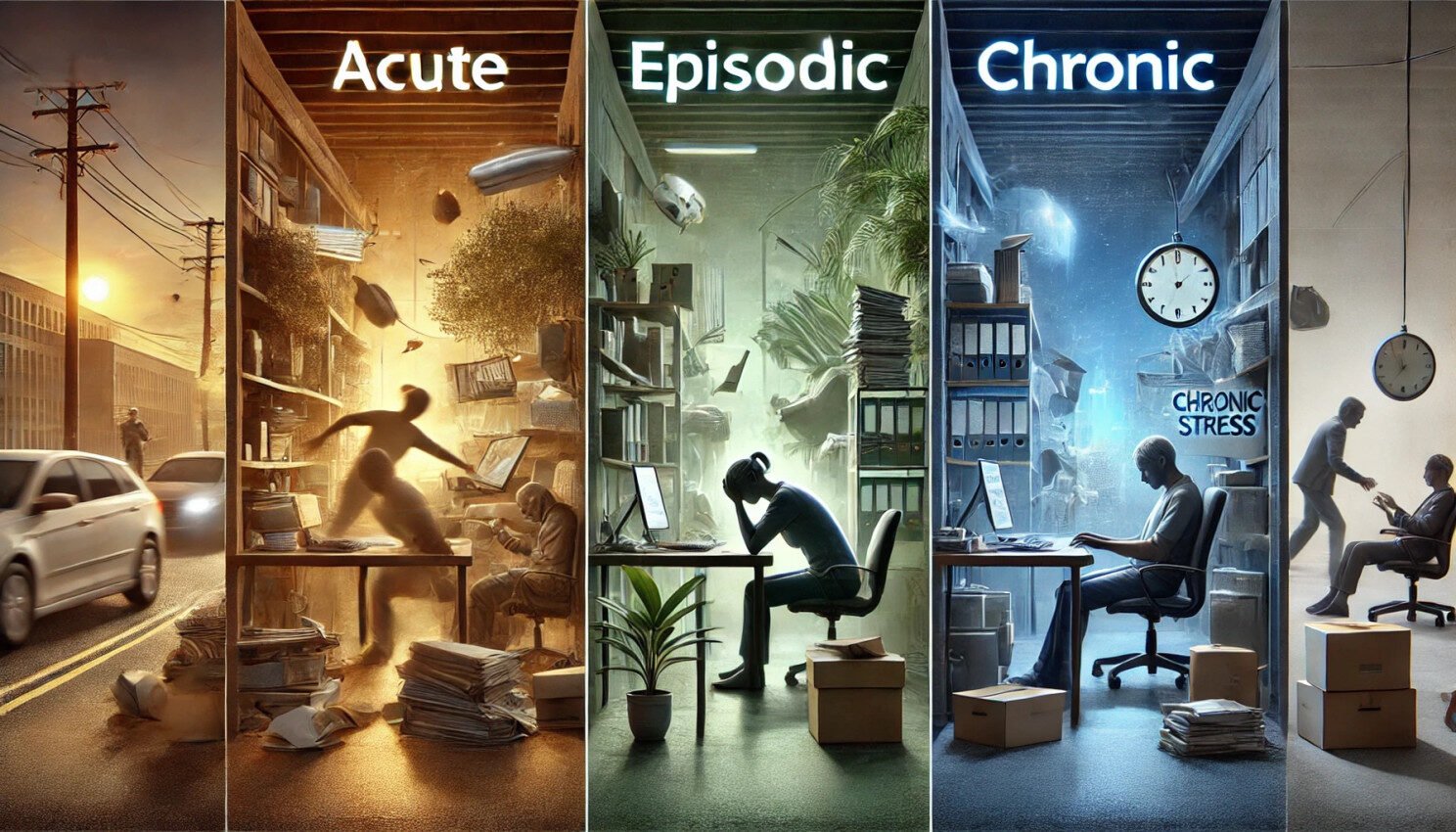

Acute Stress
- What it is: A short-term stress response triggered by immediate challenges, such as narrowly avoiding a car accident or delivering a presentation.
- Effects: Acute stress can heighten alertness and problem-solving abilities but usually subsides quickly once the situation is resolved.
Episodic Stress
- What it is: Frequent bouts of acute stress, often experienced by individuals juggling multiple responsibilities or deadlines.
- Effects: Episodic stress can lead to chronic tension, irritability, and physical symptoms such as headaches or digestive problems.
Chronic Stress
- What it is: Long-term stress caused by ongoing situations, such as a difficult relationship, relentless work demands, or systemic poverty.
- Effects: Chronic stress is the most harmful form, contributing to burnout, mental health disorders, and serious illnesses like cardiovascular disease.
The Fight, Flight, or Freeze Response
Stress activates the autonomic nervous system, triggering the release of hormones like adrenaline and cortisol. This “fight, flight, or freeze” response prepares the body for survival by:
- Fight: Increasing aggression or confrontation.
- Flight: Encouraging avoidance or escape.
- Freeze: Leading to paralysis or inaction.


While this response is essential in life-threatening situations, it becomes problematic when activated repeatedly or for prolonged periods by everyday stress triggers. The result is a constant state of hyperarousal, which wears down the body and mind over time.
When Stress Becomes Harmful
Stress is not inherently negative. In manageable doses, it can drive growth, resilience, and achievement. However, when it becomes chronic or overwhelming, its effects are far-reaching:
- Mental Health: Chronic stress is closely linked to anxiety (next post will cover this), depression, and cognitive decline.
- Physical Health: Persistent stress contributes to high blood pressure, heart disease, diabetes, and a weakened immune system.
- Work Productivity: Stress diminishes focus, creativity, and decision-making, increasing absenteeism and presenteeism.
- Relationships: Stress strains personal connections, leading to misunderstandings, conflicts, and emotional distance.
Stress is Personal
Stress is not a one-size-fits-all experience. It is deeply personal, shaped by a unique blend of factors, including our upbringing, personality, environment, and coping mechanisms. What feels manageable for one person might be overwhelming for another. For example:
- Someone who thrives under tight deadlines might view a looming project as an exciting challenge, while another person may experience the same project as a source of immense pressure.
- A social event might energise an extrovert but cause significant stress for an introvert.
Understanding this individuality is critical in addressing stress. It reminds us to approach others with empathy and avoid judging their reactions based on our own thresholds. It also emphasises the importance of self-awareness, recognising our triggers, limits, and personal needs – and understanding that our own way of managing or handling stress will be different for everyone else.
Stress is Not a Weakness
One of the greatest misconceptions about stress is that experiencing it is a sign of weakness. This stigma often prevents people from seeking help, leading to further isolation and worsening effects. In reality, stress is a natural response, a sign that something needs attention. Acknowledging stress is not giving in to it; it is taking the first step toward managing it.
By understanding stress and its hidden costs, we can begin to address stress proactively, creating healthier environments for individuals and organisations alike.
The Hidden Costs of Stress on Productivity
Stress is often referred to as the “silent killer” of productivity, but its effects, while subtle, are deeply damaging and far-reaching. For many organisations, stress among employees is viewed as a personal issue, something to be dealt with quietly or managed individually. However, the reality is far more complex. Stress does not exist in isolation, it infiltrates every corner of a workplace, affecting teams, leadership, morale, and ultimately, the organisation’s success.
The true costs of stress often go unnoticed until they escalate. By the time stress manifests as absenteeism, presenteeism, or turnover, the damage to productivity, well-being, and organisational culture is already severe. Understanding these hidden costs is essential for taking proactive steps to manage stress and create healthier, more resilient workplaces.
How Stress Impacts Productivity
Stress affects every aspect of workplace performance. While the symptoms may vary from person to person, the outcomes are often similar – reduced efficiency, strained relationships, and compromised output.
- Reduced Focus and Concentration: Stress impairs cognitive function, making it difficult for employees to concentrate on tasks or prioritise effectively. Example: An employee overwhelmed by tight deadlines may find themselves making careless mistakes, spending hours redoing tasks, or struggling to complete simple assignments.
- Diminished Creativity and Innovation: When stress activates the brain’s survival mode, it limits cognitive flexibility and the ability to think creatively. Impact: Employees under chronic stress may avoid taking risks or contributing new ideas, fearing failure or criticism. This stifles innovation, a critical driver of organisational growth.
- Impaired Decision-Making: Stress clouds judgment, leading to poor decision-making or an inability to make decisions altogether. Example: A manager overwhelmed by competing demands may make reactive choices, overlooking critical details or failing to consult their team effectively.
- Interpersonal Challenges: Stress often amplifies irritability, frustration, and impatience, straining relationships between colleagues. Impact: Tensions within teams can lead to conflicts, reduced collaboration, and an overall decline in workplace morale.
Understanding Absenteeism and Its Costs
Absenteeism refers to an employee’s frequent or prolonged absence from work due to illness, stress, or other personal challenges. In the context of stress, absenteeism often arises when individuals are physically or mentally unable to face the demands of their job.
- In Numbers: In the UK alone, work-related stress, anxiety, and depression accounted for 17 million lost working days in 2022/23, according to the Health and Safety Executive (HSE).
- The Organisational Impact: Absenteeism disrupts workflows, increases the workload for remaining team members, and can lead to missed deadlines or reduced quality of work.
- Human Cost: For the individual, absenteeism is often a last resort, a signal that their stress has reached a breaking point, leaving them unable to function in their role.
The Silent Drain of Presenteeism
While absenteeism is visible and measurable, presenteeism – the act of showing up to work despite being unwell or overwhelmed – is far more dangerous. Employees experiencing presenteeism are physically present but mentally disengaged, unable to perform at their full capacity.
- What It Looks Like: An employee struggling with chronic stress might attend meetings without contributing, delay tasks due to lack of focus, or make frequent mistakes due to exhaustion.
- The Financial Cost: According to Deloitte’s 2022 report, presenteeism costs UK employers an estimated £29 billion annually, surpassing the costs of absenteeism.
- The Organisational Cost: Presenteeism undermines team efficiency and increases the risk of errors, rework, and low morale among colleagues who must compensate for the disengaged employee.
Employee Turnover: Stress’s Long-Term Impact
Stress is one of the leading drivers of employee burnout, a condition that pushes individuals to leave their jobs in search of healthier environments.
- The Numbers: Studies suggest that burnout accounts for as much as 50% of voluntary resignations, making it a significant contributor to high turnover rates in many industries.
- The Cost of Turnover: Replacing a single employee costs employers (not salary based) an average of £30,000 – £35,000, factoring in recruitment costs, onboarding costs, and lost productivity during the transition period. High turnover not only drains financial resources but also destabilises teams and disrupts organisational growth.
Stress’s Ripple Effect on Organisational Culture
Stress does not remain confined to individuals, it spreads, affecting the dynamics of teams, leadership, and workplace culture.
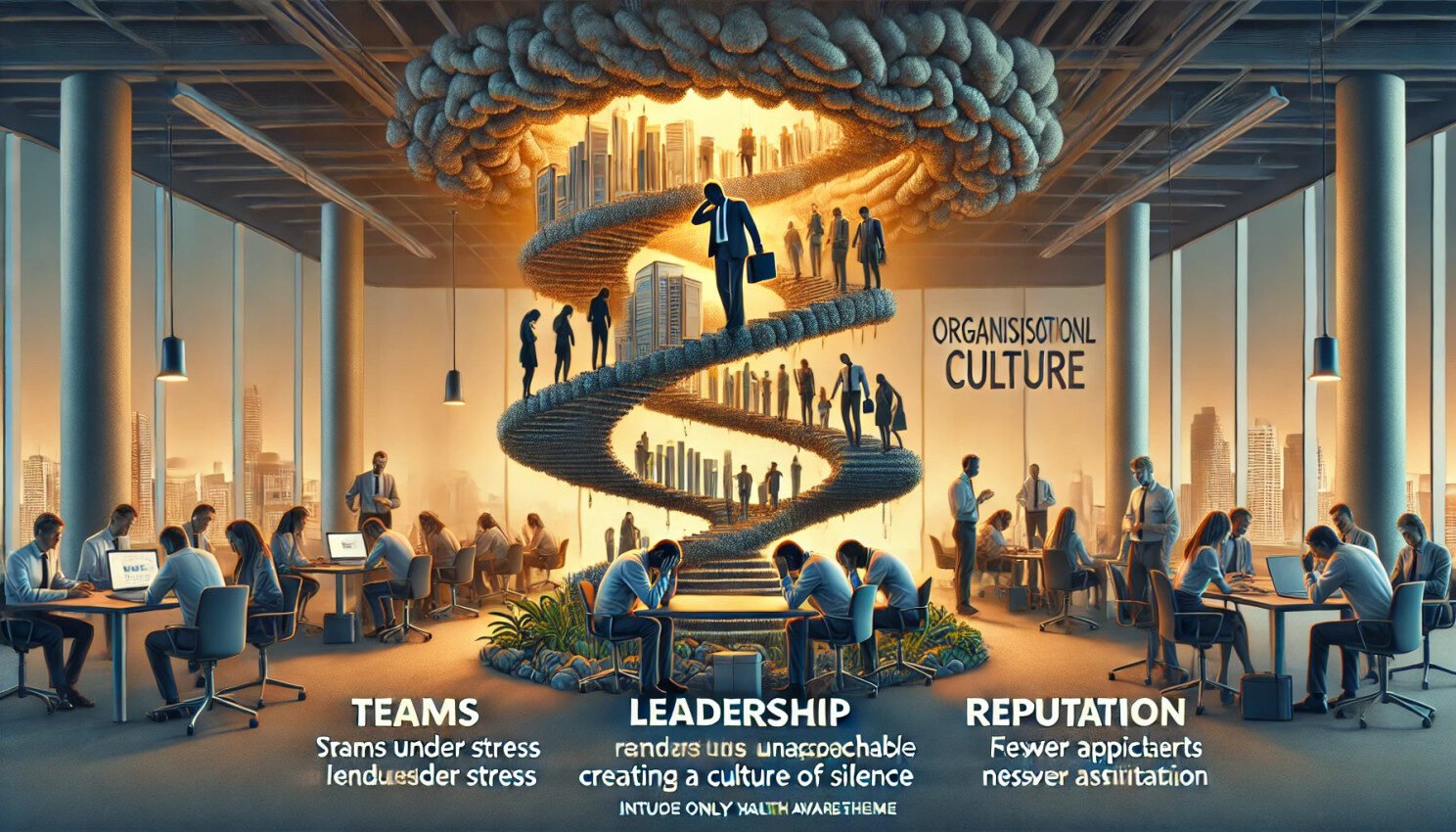

- Impact on Teams: Stressed employees may become less communicative or cooperative, leading to misunderstandings and reduced collaboration. Example: A team under chronic pressure to meet unrealistic targets may experience friction, finger-pointing, and declining morale.
- Impact on Leaders: Managers under stress often become less approachable, making employees hesitant to share concerns or seek guidance. This creates a culture of silence, where problems go unaddressed until they escalate.
- Impact on Reputation: Organisations that fail to address workplace stress risk being seen as toxic or unsupportive, deterring top talent and damaging employer branding.
The Wake-Up Call for Organisations
The hidden costs of stress, absenteeism, presenteeism, turnover, and cultural erosion, are immense. Beyond the financial toll, stress takes a profound human toll, leaving individuals struggling with their health, relationships, and sense of purpose. For organisations, ignoring stress is not an option; it is a risk that threatens both people and profits.
Addressing stress requires recognising its signs, fostering a culture of care, and implementing proactive solutions.
Recognising the Signs of Stress
Apologies upfront, this section is not short reading – it is direct, raw and emotional in places.
Stress is often dismissed as a passing feeling, a temporary discomfort that can be “handled” or “pushed through.” Yet, for millions of people, stress is not just a momentary inconvenience. It is an unrelenting force that invades every corner of life, mentally, emotionally, physically, and leaves devastation in its wake.
We are told to “get on with it,” to accept stress as the price of ambition, responsibility, or adulthood. But stress is not benign. It is not simply “part of life.” Left unchecked, stress becomes life-altering, life-changing, and, for too many, life-ending.
Stress is not merely an inconvenience or a fleeting feeling of overwhelm, it is a profound crisis that can alter the course of lives, derail careers, fracture families, and, in the most tragic cases, lead to the loss of life itself.
The Physical Manifestations of Stress: The Body’s Silent Cry for Help
Stress is not confined to the mind, it is a full-body experience. It begins subtly, with small physical symptoms that many ignore, dismiss, or misattribute. But over time, these symptoms escalate, appearing in chronic conditions that can lead to debilitating or fatal outcomes.
- Unrelenting Fatigue: For those living with stress, sleep offers no relief. Imagine waking up every morning feeling as though you have run a marathon in your sleep. Your body aches, your energy is depleted, and the thought of facing the day feels impossible. This is not laziness, it is your body begging for a rest it cannot find.
- Heart Under Siege: Stress can feel like an invisible weight pressing down on your chest, leaving you gasping for air and clutching at your heart. Many mistake these symptoms for a heart attack, only to learn they are a continued growth of prolonged stress. Stress places enormous strain on the cardiovascular system, leading to hypertension, arrhythmias, and, ultimately, heart attacks. A 2019 study revealed that individuals experiencing chronic stress are 29% more likely to suffer a cardiac event.
- Digestive Chaos: Stress wreaks havoc on the digestive system, triggering nausea, cramps, irritable bowel syndrome, and even ulcers. Some turn to overeating for comfort, while others find themselves unable to eat at all, further compromising their health.
- Weakened Immunity: Stress suppresses the immune system, leaving the body defenceless against illness. People living with chronic stress often experience recurrent illnesses such as cold, flu, or infections that comes your way, slower recovery times, and an increased risk of autoimmune diseases.
Case Study
Anna, a 38-year-old nurse, ignored her constant chest pain and migraines for months. Her job demanded long hours, and she convinced herself she was just tired. One day, while walking to her car after a double shift, she collapsed. She was rushed to the hospital and diagnosed with severe hypertension and early-stage heart failure. Doctors told her that prolonged stress had pushed her body to its breaking point.
The Emotional Toll – When Stress Steals Your Identity
Stress does not only attack the body, it invades the mind, robbing individuals of their emotional stability, resilience, and sense of self. For many, this is the most devastating aspect of stress: the feeling of losing control over who they are.
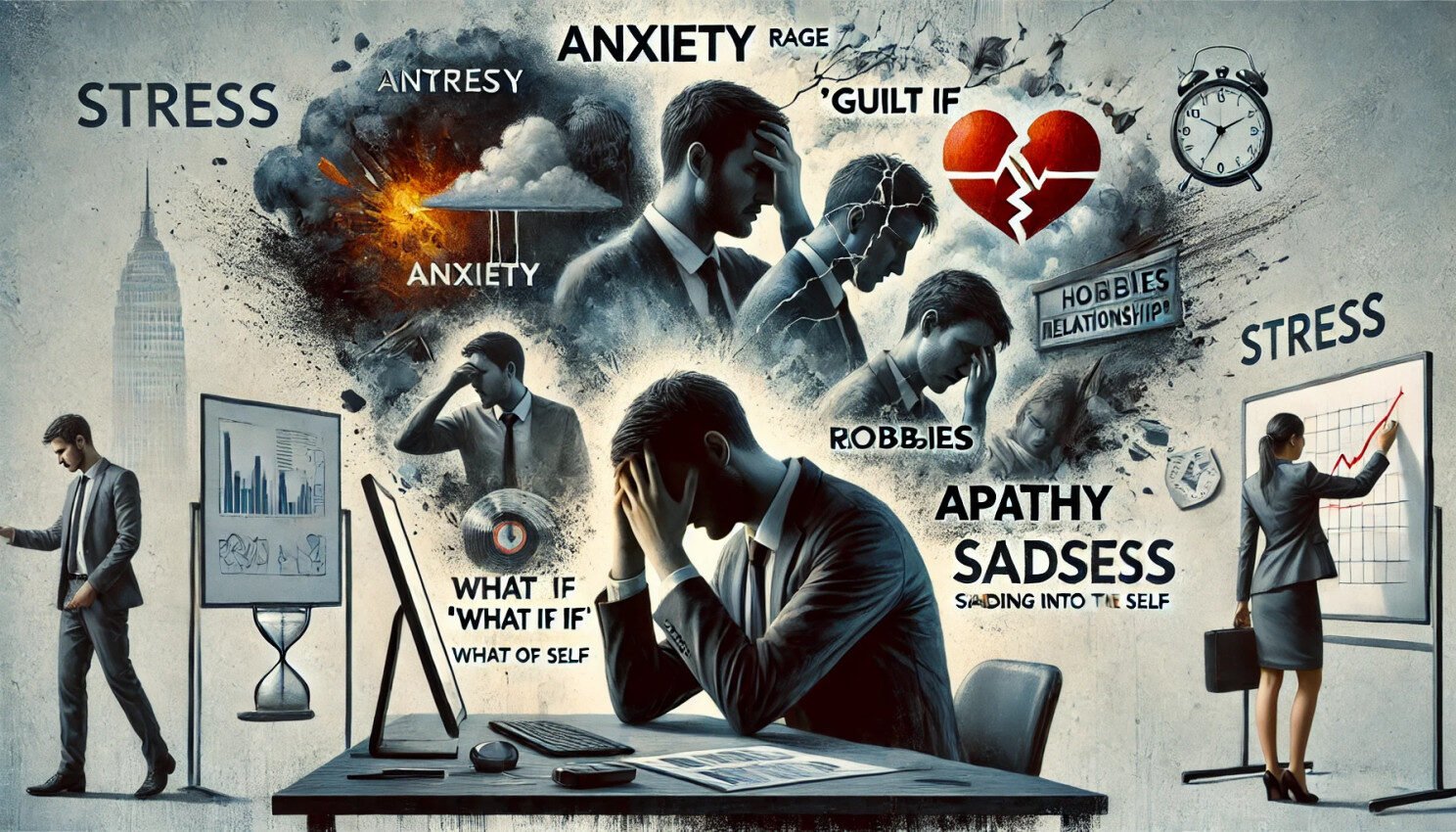

- Anxiety That Never Ends: Stress fuels a state of hypervigilance, where every situation feels like a threat. The mind races, consumed by “what if” scenarios that leave no room for peace.
- Rage and Guilt: Stress transforms patience into frustration, kindness into anger. Small inconveniences provoke outbursts that leave you filled with regret. Relationships fracture under the weight of this unrelenting tension.
- Apathy and Numbness: For others, stress leads to emotional shutdown. Hobbies, passions, even loved ones lose their meaning. It is not just that you feel less, you stop feeling altogether.
- Crippling Sadness: Stress often evolves into depression. Every task feels impossible. Every day feels heavier than the last. And the thought of things getting better feels like a cruel fantasy.
Real-Life Example
James, a 45-year-old father of two, had always been the “strong one” in his family. But after losing his job during the pandemic, he began withdrawing from his loved ones. He stopped attending his children’s football matches, missed family dinners, and spent hours in silence. One night, his wife found him crying in the dark. “I feel like I am failing everyone,” he told her. His stress had become a black hole, consuming his confidence, his joy, and his sense of worth.
Behavioural Changes: The Quiet Warning Signs
Stress does not always scream, it often whispers. It shows itself in subtle shifts in behaviour that may seem harmless at first but gradually escalate into patterns that disrupt lives.
- Social Withdrawal: Stress pushes people into isolation. They avoid friends, cancel plans, and retreat from family gatherings, telling themselves they are just “too busy” or “need some time alone.”
- Workaholism and Procrastination: Stress can drive individuals to extremes. Some overcommit, working relentlessly to prove their worth. Others avoid tasks altogether, paralysed by fear of failure or overwhelm.
- Destructive Escapes: Alcohol, overeating, gambling, and other unhealthy behaviours become coping mechanisms. They offer temporary relief but create long-term harm.
- Erratic Communication: Stressed individuals often become more irritable, defensive, or silent. These changes strain relationships, leaving loved ones confused and hurt.
The Life-Altering and Life-Ending Reality of Stress
For some, stress does not just alter life, it ends it. The cumulative weight of stress can lead to catastrophic outcomes, from severe mental health crises to physical health failures.

- Burnout: Prolonged stress leads to total exhaustion, mental, emotional, and physical. Burnout leaves individuals unable to function, feeling trapped in a cycle of hopelessness.
- Suicidal Thoughts: For many, the crushing weight of stress becomes unbearable. The World Health Organization (WHO) reports that stress is a significant factor in the global suicide crisis, with over 700,000 lives lost annually.
- Heart Attacks and Strokes: Chronic stress damages the heart and brain, leading to life-threatening conditions that often strike without warning.
- Broken Families: The ripple effects of stress extend beyond the individual, fracturing families, friendships, and communities.
A Tragic Case Study
Michael, a 29-year-old junior doctor, worked gruelling 90-hour weeks during the covid pandemic. His colleagues described him as “dedicated” and “unstoppable.” But one evening, after finishing a 16-hour shift, he collapsed in the staff room and died of a cardiac arrest. The coroner’s report identified extreme stress as a contributing factor. Michael’s potential – his future – was stolen by the very pressures he had been praised for enduring.
Understanding Stress as a Silent Killer
Stress is often called the silent killer for a reason, it operates under the radar, its symptoms normalised or rationalised until it’s too late. The normalisation of stress in our culture masks the severity of its impact.
Reference: Dr. Richard Friedman, a psychiatrist and professor at Weill Cornell Medical College, emphasises, “We live in a society that values productivity over well-being. The pressure to perform can eclipse our basic human need for rest and emotional health.“
The Role of Societal Expectations
- Perfectionism and Achievement Culture: The relentless pursuit of success can drive individuals to neglect self-care.
- Stigma Around Mental Health: Fear of being labeled as weak prevents many from seeking help.
Recognising the Signs
Understanding and acknowledging the signs of stress is the first critical step toward mitigating its impact. This requires introspection and the courage to confront uncomfortable truths.
Self-Assessment Questions
- Physical Health: Am I experiencing unexplained aches, fatigue, or illnesses?
- Emotional State: Do I feel overwhelmed, anxious, or detached from my emotions?
- Behavioural Changes: Have I withdrawn from social activities or engaged in unhealthy coping mechanisms?
For Loved Ones and Colleagues
- Observation: Pay attention to changes in behaviour, mood, and performance.
- Communication: Approach with empathy and without judgment.
- Support: Encourage seeking professional help and offer assistance in finding resources.
Embracing Vulnerability
Acknowledging stress is a strength. It opens the door to support, healing, and ultimately, resilience.
Stress is a complex, multifaceted phenomenon that requires a comprehensive approach to address effectively. It is not a reflection of personal failure but a response to overwhelming pressures.
Managing Stress – Strategies for Resilience and Recovery
Stress is an unavoidable part of life, but its impact is not set in stone. While we cannot eliminate every source of stress, we can learn to manage it in ways that protect our mental health and improve resilience. Managing stress is not just about reducing its intensity; it is about understanding it, recognising its effects, and taking deliberate steps to regain control.
Personal Strategies for Managing Stress
Stress management begins with self-awareness and self-care. These strategies are designed to help individuals navigate the pressures of life more effectively:
Identify Your “Triggers”
- The first step in managing stress is understanding what causes it. Keep a journal to track situations, thoughts, or interactions that lead to stress. Recognising patterns can help you anticipate and address triggers before they escalate.
- Example: If deadlines cause anxiety, create a detailed plan with smaller milestones to make tasks feel more manageable.
Prioritise Physical Health
- The connection between physical and mental health is undeniable. Regular exercise, a balanced diet, and adequate sleep are foundational to managing stress.
- Why It Matters: Exercise releases endorphins, natural stress-relievers that improve mood and energy levels. A nutritious diet stabilises blood sugar, preventing mood swings, while quality sleep restores the body and mind.
Practice Mindfulness and Relaxation Techniques
- Mindfulness involves staying present in the moment, reducing the tendency to ruminate on past events or worry about the future. Techniques like meditation, deep breathing, and progressive muscle relaxation can help.
- Simple Practice: Close your eyes, take a deep breath in for four seconds, hold it for four seconds, and exhale for four seconds. Repeat this for a few minutes to calm your nervous system.
Set Boundaries
- Stress often stems from overcommitment. Learn to say no and set limits on your time and energy. This can mean declining extra work, taking regular breaks, or setting aside personal time without guilt.
- Seek Support: Do not hesitate to reach out for help, whether it is from friends, family, or a mental health professional. Sharing your struggles can lighten the emotional burden and provide new perspectives.
- Reminder: Seeking help is not a sign of weakness—it is a step toward strength.
Organisational Strategies for Reducing Workplace Stress
Employers play a crucial role in creating environments that support mental well-being. Organisations that prioritise stress management see benefits in productivity, morale, and employee retention. Here are key strategies for workplaces to consider:
Promote Open Communication
- Encourage employees to voice concerns about workload, expectations, or personal challenges without fear of judgment or reprisal.
- Actionable Step: Implement regular one-on-one check-ins to create safe spaces for discussion.
Provide Mental Health Resources
- Offer access to Employee Assistance Programmes (EAPs), counselling services, or stress management workshops.
Encourage Work-Life Balance
- Support flexible working arrangements, reasonable workloads, and respect for personal time.
- Practical Policy: Limit after-hours communication and encourage employees to disconnect from work during holidays.
Recognise and Address Burnout
- Train managers to recognise signs of stress and burnout in their teams and respond proactively.
Create a Culture of Care
- A supportive workplace culture normalises discussions about stress and mental health, reducing stigma and encouraging employees to seek help.
- Example: Appoint Mental Health First Aiders (MHFAs) to provide immediate support and guidance.
Building Resilience – The Long-Term Approach
Resilience is not the absence of stress but the ability to adapt and recover from it. Introducing resilience requires ongoing effort and a commitment to growth.
- Focus on Strengths: Recognise and build on your strengths, using them as tools to navigate challenges. Whether it is creativity, problem-solving, or empathy, your unique abilities are assets in stressful situations.
- Develop a Growth Mindset: Viewing stress as an opportunity for growth rather than a threat can shift your perspective and reduce its negative impact. Consideration: Instead of thinking, “I cannot handle this,” try, “This is difficult, but I will learn from it.”
- Build Strong Relationships: Resilient individuals often have robust support networks. Encourage relationships with people who uplift and encourage you, both personally and professionally.
A Shared Responsibility
Managing stress is not just an individual task, it is a collective effort that involves personal accountability, workplace policies, and change in society. By working together to address stress, we can create environments that prioritise well-being, foster resilience, and empower individuals to thrive.
The Role of Mental Health First Aiders in Stress Management
Mental Health First Aiders (MHFAs) play a crucial role in the modern workplace, acting as the first line of support for individuals grappling with stress. Their presence not only helps identify early signs of stress but also fosters an environment where employees feel safe to voice their concerns. Stress is a silent productivity killer, and MHFAs serve as a vital bridge between acknowledging stress and addressing its impacts effectively.
Spotting the Signs Early
MHFAs are trained to recognise the subtle and overt signs of stress. From physical symptoms like persistent fatigue and headaches to emotional and behavioural shifts such as irritability, withdrawal, or procrastination, their ability to identify these indicators can prevent stress from escalating into burnout or other severe mental health issues.
- Proactive Observations: MHFAs are taught to notice changes in demeanour, communication patterns, and work performance.
- Confidential Conversations: By providing a safe space for discussions, they encourage employees to open up about challenges they might otherwise hide.
Providing Immediate Support
Once stress is identified, the role of an MHFA is to offer immediate, non-judgmental support. They follow structured frameworks, such as LISTEN S.T.O.P.S DISTRESS, to guide their interactions:
- Spot signs of distress: Observe and acknowledge the signs of stress without making assumptions.
- Talk: Initiate a conversation, expressing concern in a compassionate manner and inviting individuals to share their feelings.
- Offer care, hope, and comfort: Reassure individuals that they are not alone and that support is available.
- Professional/Organisation Support: Guide individuals toward appropriate professional help or organisational resources.
- Self-help and other strategies: Encourage techniques such as mindfulness, exercise, or journaling to manage stress effectively.
Advocating for Organisational Change
Beyond one-on-one support, MHFAs influence organisational understanding by advocating for policies and practices that prioritise mental health. Their insights from frontline interactions provide valuable feedback to leadership about workplace stressors and areas for improvement.
- Policy Development: MHFAs contribute to shaping mental health policies, ensuring they address real-world challenges employees face.
- Training and Awareness: They play a role in educating teams about stress, its effects, and strategies for resilience.
Empowering a Culture of Care
The presence of MHFAs signals that an organisation values mental health and is committed to creating a supportive workplace. By normalising conversations about stress, they reduce stigma and empower individuals to seek help early.
A Powerful Personal Reflection: One previous colleague shared, “Before I spoke to an MHFA, I felt invisible, like no one noticed or cared about my struggles. That one conversation reminded me that I mattered, and it gave me the courage to take steps toward recovery.”
Mental Health First Aiders are not therapists or doctors, but their role is transformative. They provide the first layer of support, the listening ear that can prevent stress from spiralling out of control.
Conclusion
Stress is more than an inconvenience or an inevitable part of life, it is a profound force that shapes our physical health, emotional well-being, relationships, and even our future. Left unaddressed, it erodes our resilience and robs us of our potential, pushing individuals and organisations into cycles of burnout, despair, and loss. Stress is not insurmountable. By recognising its signs, taking proactive steps, and fostering environments of care, we can break free from its grip and thrive.
This post (is not short – I am sure for many it will be TLDR, but that is the perspective of individuals that already think they know what a detailed post will teach them) has explored the raw realities of stress, from its hidden costs to its life-altering consequences. It has shown that stress is not a weakness but a sign, a call for help and change. It has highlighted that managing stress requires a collective effort, combining personal strategies with organisational commitments to create a culture that supports and uplifts
Key Takeaways from This Post
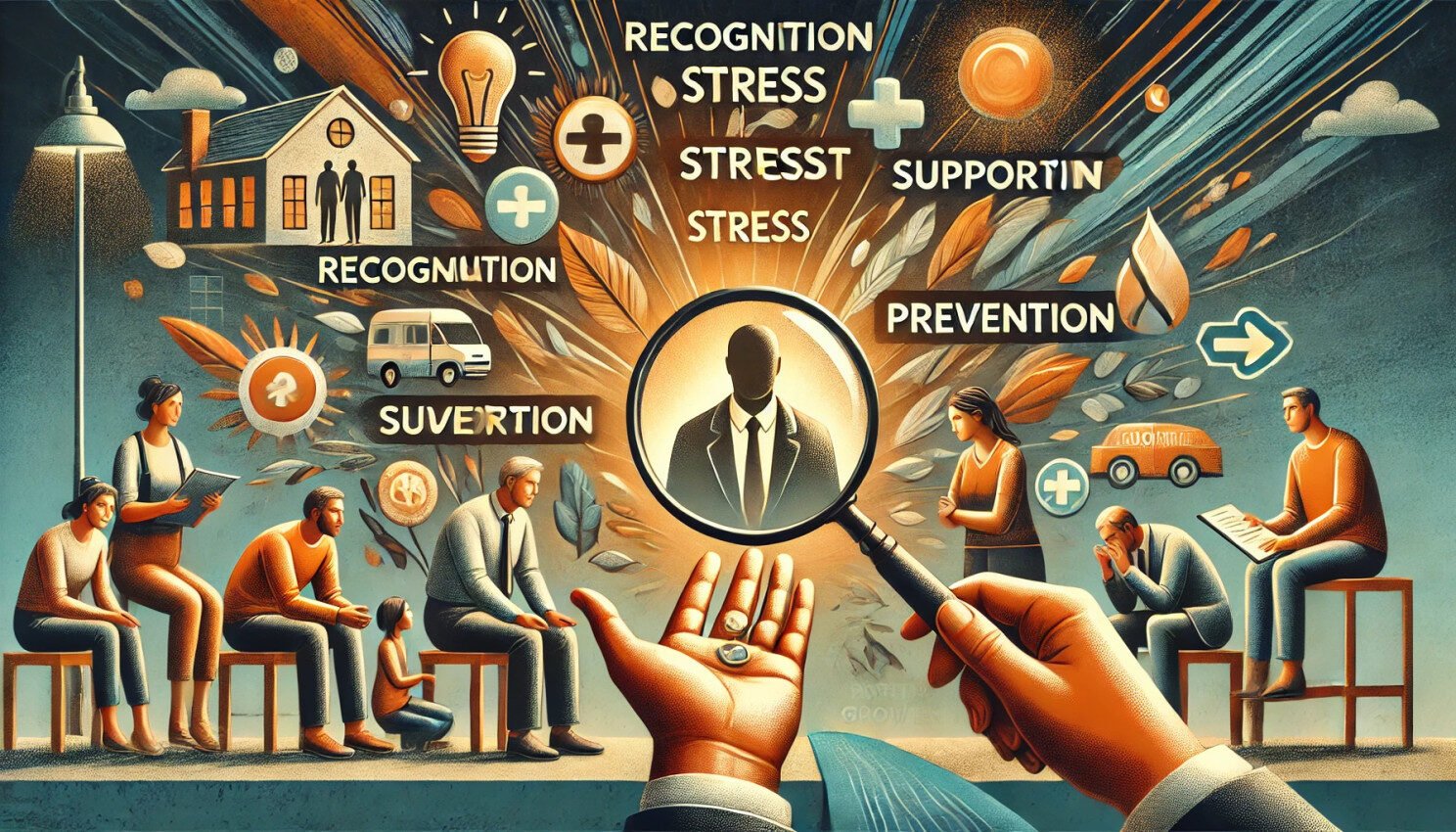

- Stress is Personal: It appears and grows differently for everyone, shaped by individual experiences, pressures, and coping mechanisms.
- Stress Has Real Costs: Beyond productivity, stress affects lives, families, and futures, often with devastating consequences.
- Recognising Stress is Vital: Understanding its physical, emotional, and behavioural signs is the first step to addressing it.
- Support Systems Matter: Whether through personal practices, workplace initiatives, or societal change, support is the foundation of stress management.
- MHFAs play a vital role, bridging the gap between acknowledging stress and accessing professional help.
- Prevention is Key: By fostering a culture of care, we can prevent stress from escalating and create environments where individuals and teams can grow and enjoy a challenge.
A Personal Reflection
Reflecting on stress in today’s world, it is clear that many of us are living on the edge, juggling responsibilities, expectations, and uncertainties that often feel overwhelming. Completing my Mental Health First Aid certification deepened my understanding of how pervasive and destructive stress can be. It also showed me the power of listening, compassion, and proactive care.
Stress is not just something we “deal with.” It is something we can learn to navigate, reduce, and overcome, with the right tools, support, and understanding. My hope is that this post inspires readers to look at stress not as an inevitable burden but as a challenge we all can rise above.
Next in the Series
In the next post, “Anxiety Disorders: Breaking Down the Invisible Barrier,” I will explore the complex world of anxiety. From its subtle onset to its overwhelming grip, this post will delve into the science, stigma, and strategies for understanding and managing anxiety disorders. Stay tuned for another deep dive into the realities of mental health.